

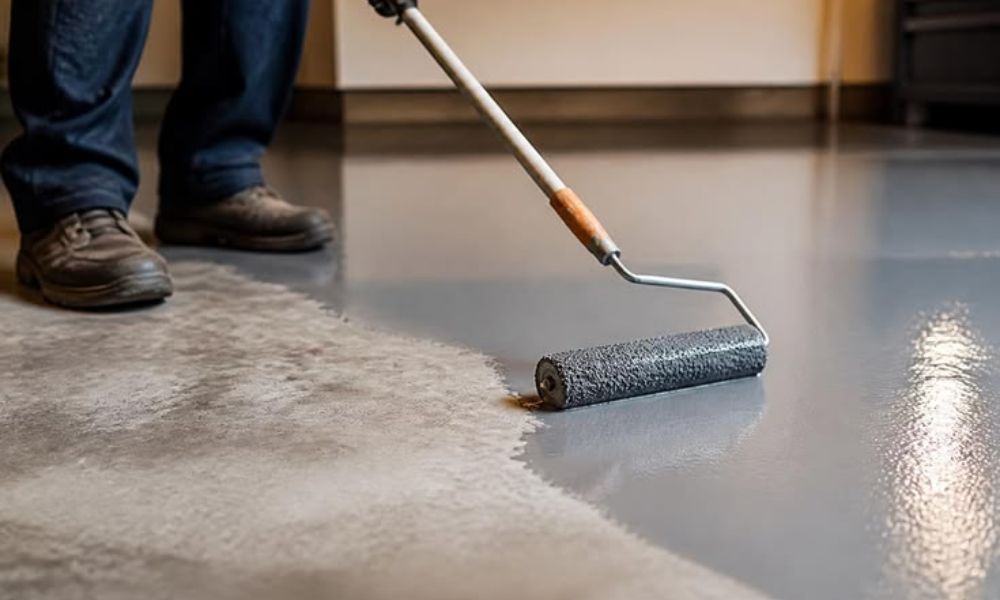
How do you fix cracks in a garage floor? Inspect the crack to understand its type and cause, clean and dry the concrete, choose a repair product suited to the crack, fill and smooth it, then let it cure fully. Prepare the whole floor properly before applying any coating for lasting results.
Garage floor cracks are common, and most homeowners will see one eventually. Concrete moves, settles, and reacts to moisture and temperature over its lifetime. The trick is knowing which cracks are simple cosmetic fixes and which ones point to something bigger.
This guide walks you through it. You’ll learn:
- Why concrete garage floors crack in the first place
- How to identify the crack type you’re dealing with
- A step-by-step process for repairing small cracks
- When to call a professional instead of patching it yourself
We’ll keep it practical, honest about limitations, and focused on what actually works in Maui’s humid, coastal conditions.
Why Do Garage Floors Crack?
Concrete is strong, but it isn’t flexible. Several forces cause cracks over time:
- Shrinkage: As fresh concrete cures, it loses moisture and contracts, creating hairline cracks.
- Settlement: When the soil beneath the slab shifts or compacts unevenly, sections drop and crack.
- Temperature changes: Concrete expands and contracts with heat and cold, stressing weak points.
- Moisture: Water moving through or under the slab can widen cracks and weaken the surface.
- Heavy loads and impact: Vehicles, dropped tools, and equipment stress the concrete.
- Age and normal movement: Even a well-poured slab shifts slightly over decades.
In Maui, humidity and salt air add extra pressure. Moisture in the air and ground keeps slabs damp, which can worsen existing cracks and complicate any coating work later.
How to Tell What Type of Crack You Have
Before you fix anything, look closely. The type of crack tells you how to handle it.
- Hairline cracks: Thin, shallow lines usually caused by surface shrinkage. Mostly cosmetic.
- Small surface cracks: Slightly wider but stable, often good DIY candidates.
- Wider cracks: Openings you can fit a coin edge into may need stronger repair materials.
- Deep or recurring cracks: Cracks that return after patching often signal an underlying cause.
- Displaced cracks: If one side sits higher than the other, the slab is moving. That’s a warning sign.
Keep this in mind: a visual check tells you the size, not always the cause. A thin crack can hide a moisture or settlement problem underneath. When something looks off, a professional assessment is the safer path.
How to Fix Cracks in a Garage Floor: Small Crack Repair Steps
For stable hairline and small surface cracks, a careful DIY repair often works. Here’s a reliable process:
- Remove debris. Use a stiff brush, vacuum, or compressed air to clear dust and loose concrete from the crack.
- Clean and dry. Wash out dirt and oil, then let the area dry completely. Repairs won’t bond to damp or contaminated concrete.
- Prepare the crack. Follow your chosen repair product’s instructions. Some products call for widening the crack slightly so the filler grips.
- Apply the repair material. Use a concrete crack filler or patching compound suited to the crack width and depth.
- Smooth the surface. Level the filler flush with the surrounding floor using a putty knife or trowel.
- Let it cure. Give it the full cure time the manufacturer specifies. Rushing this weakens the repair.
- Inspect before coating. Check that the repair is solid, level, and fully cured before any epoxy goes down.
Match the product to the job and always follow the label. The wrong filler in the wrong crack rarely lasts.
When Should You Avoid DIY Garage Floor Crack Repair?
Not every crack is a weekend project. Stop and get a professional evaluation if you see:
- Large or growing cracks that keep widening over weeks
- Vertical displacement, where one side of the crack is higher than the other
- Repeated cracking in the same spot after you’ve already patched it
- Significant moisture intrusion, damp spots, or a musty smell
- Extensive slab damage, spalling, or crumbling concrete
- Cracks tied to structural concerns, especially near walls or supports
These signs suggest movement or moisture that a surface patch won’t solve. Covering them up only hides the problem while it keeps growing underneath.
Can You Put Epoxy Over a Cracked Garage Floor?
Short answer: not directly. Cracks should be repaired and the concrete properly prepared before any epoxy system goes down. Applying a coating over unstable, contaminated, or moisture-affected concrete leads to bubbling, peeling, and cracks that reappear through the finish.
A durable coating depends on solid groundwork. Proper preparation includes:
- Cleaning and degreasing to remove oil, dirt, and salt residue
- Grinding or shot-blasting to profile the surface so the coating bonds
- Crack and surface repair to fix damage before coating
- Removing contaminants that block adhesion
- Checking surface condition and moisture before proceeding
- Applying primer to strengthen and seal the surface
- Sealing with a protective topcoat for wear and UV resistance
This is the same disciplined approach behind professional garage epoxy flooring. Skip the prep, and even the best coating won’t last. If you’re weighing whether an existing floor can be saved, this overview of epoxy floor repair is a helpful starting point.
How to Prevent Repaired Cracks From Telegraphing Through Epoxy
A poorly repaired crack often “telegraphs,” meaning it shows or reopens through the finished coating. To prevent that:
- Use a repair product compatible with both the concrete and the coating system.
- Let repairs cure fully before coating over them.
- Profile and level the repaired area so it blends with the slab.
- Address the underlying cause first, since active movement will crack through almost any patch.
This is why simply filling a crack and coating over it doesn’t always solve the real issue. If the slab is still moving or moisture is present, the crack will find its way back.
How to Prevent Garage Floor Problems From Getting Worse
Prevention costs less than major repair. A few habits go a long way:
- Address visible damage promptly before small cracks spread.
- Keep the floor clean so grit and debris don’t wear the surface.
- Control moisture where you can with good drainage and ventilation.
- Avoid unnecessary heavy impact from dropped tools or equipment.
- Watch recurring cracks and note whether they keep returning.
- Use a professionally prepared coating system when the floor is a good candidate.
In Maui’s climate, moisture control matters most. Salt air and humidity work against bare concrete year-round, so a properly installed garage floor epoxy can add real protection once the slab is sound.
Why Professional Surface Preparation Matters
A coating is only as good as the concrete beneath it. Most flooring failures trace back to preparation, not the product itself.
At Maui Epoxy Solutions, the garage-floor process reflects that reality. It starts with a free consultation and quote, moves into surface preparation with grinding or shot-blasting plus crack and surface repair, then primer and epoxy coating application, and finishes with a final walkthrough. UV- and chemical-resistant topcoats and optional slip-resistant textures round out the system for both residential and commercial garages.
That structure exists for a reason. Careful prep is what lets a coating bond, hold, and stand up to island conditions. If you’re comparing systems, this breakdown of garage floor coating options explains how epoxy and polyaspartic differ.
Frequently Asked Questions
How do you fix small cracks in a garage floor?
Clear debris from the crack, then clean and fully dry the area. Prepare it according to your repair product, apply a suitable concrete crack filler, and smooth it level with the floor. Let it cure completely before doing anything else, then inspect the repair to confirm it’s solid and stable.
What causes cracks in concrete garage floors?
Cracks come from concrete shrinkage during curing, soil settlement beneath the slab, temperature swings, moisture, heavy loads, and normal aging. In coastal areas like Maui, humidity and salt air add extra stress. Identifying the cause matters, because a surface patch won’t fix a crack driven by movement or moisture below.
Can epoxy cover cracks in concrete?
Epoxy shouldn’t be applied directly over open or unstable cracks. Cracks must be repaired and cured first, and the whole floor properly prepared. If you coat over an unaddressed crack, it can reappear through the finish or cause the coating to fail as the concrete keeps moving.
Should I repair cracks before epoxy coating?
Yes. Cracks should always be repaired before an epoxy system goes down. Proper preparation, including cleaning, grinding, crack repair, and moisture checks, gives the coating a stable surface to bond to. Skipping crack repair is a common mistake that leads to telegraphing, peeling, and premature coating failure.
When is a garage floor crack serious?
A crack is serious when it keeps widening, shows vertical displacement, returns after repair, or comes with moisture intrusion or crumbling concrete. These signs suggest slab movement or an underlying problem. A simple patch won’t solve them, so a professional assessment is the safer and smarter choice.
Can garage floor cracks come back after repair?
They can. If the underlying cause, such as settlement, movement, or moisture, isn’t addressed, a repaired crack may reopen. Using a compatible repair material, curing it fully, and fixing the root problem all reduce the risk. No repair can permanently guarantee against every future crack.
Is professional garage floor coating worth it after crack repair?
For many Maui homeowners and businesses, yes. Once cracks are properly repaired, a professionally prepared and coated floor adds durability, resists moisture and stains, and holds up better in humid, coastal conditions. The value comes from thorough surface preparation and a coating system matched to how the garage is used.
Conclusion
Learning how to fix cracks in garage floor starts with understanding the crack, not just filling it. Identify the type and likely cause, repair suitable cracks correctly, and always let repairs cure before moving on. For lasting results, the concrete must be clean, stable, dry, and properly prepared before any coating goes down.
Some cracks are simple DIY fixes. Others signal movement or moisture that needs a professional eye. If you’re unsure which you’re facing, the team at Maui Epoxy Solutions can assess your garage floor, explain what it needs, and recommend the right approach for Maui’s climate. Reach out for a straightforward evaluation before you coat.