
Transform ordinary concrete into a seamless surface that combines durability with personalized style. From metallic and marble-look finishes to practical garage floors, Maui Epoxy Solutions designs floors around your space.
Your floors are more than just surfaces you walk on. They influence the appearance, comfort, functionality, and atmosphere of your property. With modern epoxy floor designs, you can transform ordinary concrete into an attractive, seamless surface that combines durability with personalized style.
Whether you want a sophisticated metallic finish for your living room, a decorative coating for your commercial property, or a durable garage floor, epoxy provides exceptional flexibility. From marble-inspired patterns and vibrant color combinations to textured finishes and minimalist designs, there's an option for every architectural style and practical need.
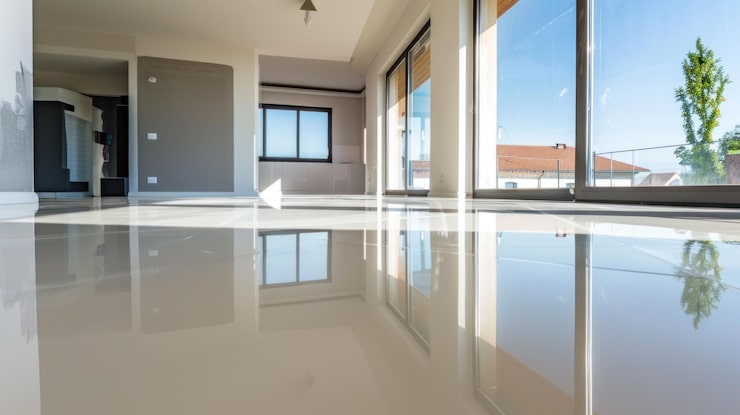
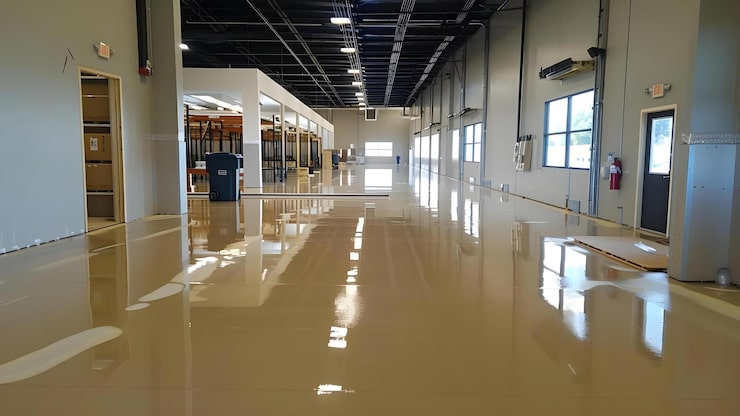
Epoxy floor designs are decorative flooring systems created by applying specially formulated resin coatings over properly prepared surfaces, typically concrete. Epoxy resin and a compatible hardener cure into a strong, bonded surface, and decorative pigments, metallic powders, vinyl flakes, or colored quartz aggregates can be added to achieve different looks.
Unlike conventional concrete paint, professionally installed epoxy systems provide greater coating thickness, durability, and resistance to everyday wear. The ideal system depends on your property's design, expected foot traffic, moisture conditions, and maintenance preferences.
From luxurious showpiece floors to practical everyday finishes, each style offers its own look and performance.
Metallic epoxy is an excellent choice for a luxurious, contemporary appearance. Metallic pigments suspended in resin create flowing patterns that resemble natural stone, liquid metal, or ocean waves, with striking visual depth depending on the pigment combination and application technique.
Ideal for living rooms, offices, retail showrooms, reception areas, and entertainment spaces.
Natural marble offers timeless elegance but can be expensive and needs specialized maintenance. Marble-inspired epoxy uses carefully selected pigments and specialized techniques to create dramatic veining, layered colors, and natural-looking movement.
Works beautifully in modern homes, hotel reception areas, luxury boutiques, and entryways. Unlike natural marble, there are no separate tiles or grout joints, though the finished look depends heavily on installer experience.
One of the most practical and versatile designs. Small colored vinyl flakes are broadcast into the coating before a protective topcoat is applied, creating a multi-colored surface that resembles granite or textured stone.
For everyday garage use, flake systems are often more forgiving than highly reflective metallic floors.
Sometimes simplicity makes the strongest impression. Solid-color epoxy offers a smooth, consistent look that complements minimalist and contemporary interiors. Light colors make smaller areas feel brighter, while darker tones look sophisticated in larger spaces.
Common in warehouses, residential garages, utility rooms, commercial spaces, and modern studios, with room for contrasting borders, safety markings, or designated work areas.
Quartz epoxy combines decorative colored quartz aggregates with resin to create a durable, textured, stone-inspired surface. It's especially useful where traction and resistance to regular wear matter, such as commercial kitchens, locker rooms, workshops, corridors, and selected wet areas.
Your garage doesn't need to stay unfinished concrete. A carefully chosen floor design turns it into an organized, attractive extension of your property.
Gray flakes with black and white accents create a balanced look that suits most garages and handles vehicle traffic, dust, and everyday maintenance well.
A dark base with silver or metallic accents creates a dramatic, showroom-inspired look, perfect for displaying specialty vehicles or a multipurpose entertainment space.
Personalized color combinations inspired by your vehicles, décor, or preferences, with contrasting borders and marked parking areas for better organization.
For garages that double as workshops, quartz adds traction when properly specified, which is useful in areas exposed to water or frequent activity.
Metallic and marble-inspired epoxy create an elegant look. Neutral colors suit minimalist furniture, while bold patterns can become the room's central design feature.
Seamless floors reduce grout joints and gaps, making cleaning easier. Choose a system suited to moisture, cleaning chemicals, and traffic; traction comes before appearance.
Decorative epoxy works well when the concrete is dry enough and suitable for coating. Moisture conditions and any history of water intrusion are checked first.
Coordinated colors, distinctive patterns, and polished finishes reinforce your visual identity. Metallic and solid-color systems shine in boutiques, galleries, and display spaces.
Understated designs with neutral shades suit professional interiors. Quartz and flake finishes may be better in high-traffic areas where traction and maintenance matter.
Choosing an epoxy design involves more than selecting a color from a sample chart. These factors shape both the final appearance and long-term performance.
A busy garage needs different features than a living room. Flake finishes balance looks and upkeep in garages, while metallic or marble-look designs add impact to luxury interiors.
Heavy foot traffic, rolling equipment, vehicle tires, and chemicals affect performance. Select a system for the actual conditions, not appearance alone.
Gloss reflects light and adds depth; satin or matte is more understated. Gloss alone doesn't determine slip resistance, so discuss texture and traction with your installer.
Consider wall colors, furniture, lighting, and architecture. Request physical samples, since epoxy can look different under natural and artificial light.
A successful designer epoxy installation requires careful preparation and controlled application.
The surface is evaluated for cracks, contamination, moisture, previous coatings, and structural concerns.
Mechanical grinding or other suitable methods establish the required surface profile.
Cracks, surface defects, and damaged areas are repaired with appropriate materials before coating.
A compatible primer may be applied to support adhesion and system performance.
The selected coating is installed with metallic pigments, decorative flakes, or quartz aggregates as specified.
A suitable topcoat may be added to improve wear resistance, cleanability, or other performance characteristics.
The floor cures per manufacturer instructions before foot traffic, furniture, or vehicles. Temperature, humidity, chemistry, and thickness all affect curing.
Proper maintenance helps preserve the appearance and performance of decorative flooring.
The success of a decorative epoxy project depends on more than attractive pigments. Surface preparation, product compatibility, moisture control, application thickness, and curing conditions all influence performance, especially in Maui's humid, coastal climate.
Experienced installers should explain the proposed coating system, evaluate the concrete, and recommend finishes suited to your environment. Before hiring a contractor, request:
This helps ensure your flooring investment is based on measurable quality rather than appearance alone.
Decorative flake flooring is widely used in residential garages, while metallic and marble-inspired finishes are popular for luxury interiors and showrooms. The best option depends on the intended use.
Professionally installed epoxy flooring can provide many years of service. Lifespan depends on coating quality, preparation, traffic, environmental conditions, and maintenance. Some properly maintained systems can last 10–20 years, although results vary.
Smooth, glossy epoxy can become slippery when wet. Decorative flakes, quartz aggregates, and compatible anti-slip additives can improve traction when properly incorporated into the system.
Yes, provided the concrete is structurally suitable and properly prepared. Moisture problems, contamination, cracks, and deteriorated surfaces must be evaluated before installation.
Yes. Decorative epoxy supports customized colors, metallic effects, flake blends, borders, and selected geometric patterns. Complex designs should be discussed with an experienced installer.
Yes. Epoxy is commonly used in residential garages because properly specified systems protect concrete and provide attractive, easy-to-clean finishes.
Sophisticated metallic effects, marble-inspired patterns, practical garage finishes, or fully custom decorative flooring: let's find a finish that balances beauty, durability, safety, and maintenance for your property, preferences, and budget.