

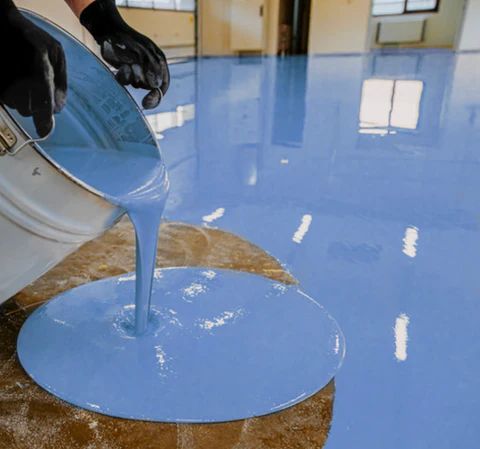
Applying a beautiful, glossy epoxy coating over a bare garage floor looks like a simple weekend project. You clean the floor, roll on the resin, and wait for it to cure. However, ask anyone who has dealt with massive patches of peeling floor resin just six months later, and they will tell you the truth: epoxy flooring success depends almost entirely on the preparation, not the coating itself.
Maui presents a unique environment for concrete floors. High humidity, heavy salt air, and constant moisture intrusion from the tropical climate create harsh conditions for any floor coating. If you cut corners before applying the resin, the epoxy system will fail. Proper concrete surface preparation in Maui is the absolute baseline for a floor that lasts decades rather than months.
Here is exactly what goes into preparing a concrete slab to ensure your epoxy floor survives and thrives in the Hawaiian climate.
Why Concrete Surface Preparation Matters in Maui
Epoxy relies on a mechanical bond to adhere properly to concrete. The resin must seep into the microscopic pores of the slab and lock into place as it hardens. If the pores are clogged with dirt, old sealers, or moisture, the epoxy simply sits on top of the surface.
In tropical climates like Hawaii, a highly porous slab acts like a sponge. It absorbs groundwater from the earth below and draws it upward. If you trap that moisture beneath an impermeable layer of epoxy without proper preparation, the water vapor pushes against the coating until it blisters and tears away.
Common failure patterns in local installations include delamination (where large sheets of epoxy peel off like old sunburned skin) and bubbling. These issues almost always trace back to poor concrete prep for epoxy floors, rather than a defect in the materials. A fully prepared surface gives the epoxy deep anchor points, securing it against the intense environmental pressures of coastal living.
Step-by-Step Concrete Preparation Process
Professional epoxy installation steps always prioritize surface readiness. Skipping any of these phases dramatically increases the risk of a ruined floor.
Surface Inspection and Testing
The process begins with a thorough evaluation of the slab. Installers look for existing sealers, severe oil stains, and structural cracks. We also conduct moisture testing to see how much water vapor the concrete emits.
Cleaning and Degreasing
Before any mechanical work begins, the slab must be free of heavy oils and surface contaminants. If you grind oil directly into the concrete, it pushes the contamination deeper into the pores, creating permanent adhesion barriers. Industrial degreasers lift these stains to the surface for safe removal.
Mechanical Grinding or Shot Blasting
This is the most critical physical step. Concrete grinding in Maui involves using heavy machines outfitted with diamond blades to shave off the top layer of the concrete. This removes old paint, stubborn stains, and the smooth “cream” layer of the concrete. Alternatively, shot blasting fires tiny steel beads at the floor to aggressively texture the surface. Both methods open the pores of the concrete.
Crack and Joint Repair
Epoxy is strong, but it cannot bridge moving cracks on its own. Installers clean out expansion joints and structural cracks with specialized saws. They then fill these voids with flexible polyurea or epoxy patching compounds. Once the filler cures, the surface is ground flush with the rest of the floor.
Moisture Vapor Barrier Application
If the moisture testing reveals high vapor transmission rates, an essential final prep step is rolling out a moisture vapor barrier (MVB). This specialized primer penetrates deeply and cures into a dense shield, blocking trapped moisture from reaching the final epoxy layers.
Moisture Challenges in Maui Concrete Floors
Water is the natural enemy of a curing epoxy floor. High humidity directly affects how concrete releases moisture. During wet seasons, especially in areas like Haiku or Hana, the ambient humidity slows the evaporation of moisture from the slab.
Homes and garages near the coast face massive risks from hydrostatic pressure. As groundwater tables shift with tides and rainfall, water pushes upward through the soil and into the concrete foundation. This pressure is surprisingly strong. It can blow heavy epoxy coatings right off the surface if the slab was not tested and treated.
Moisture testing concrete in Hawaii is never optional. Professionals use calcium chloride tests or in-situ relative humidity probes to measure the exact moisture content inside the concrete. If the relative humidity of the slab exceeds the tolerance of the epoxy system, mitigating that moisture becomes the top priority.
Common Preparation Mistakes That Lead to Epoxy Failure
Many property owners and inexperienced contractors attempt to shortcut the preparation phase to save time and money. These mistakes inevitably lead to expensive epoxy adhesion problems.
Skipping Grinding or Profiling
Acid etching is a popular DIY method, but it is rarely sufficient for a durable floor. It does not remove existing sealers and often fails to create a deep enough profile. Skipping mechanical grinding guarantees a weak bond.
Applying Epoxy on Sealed or Glossy Concrete
New concrete is often finished with a curing compound or sealer that leaves a glossy sheen. If you apply epoxy directly over this smooth surface, there is nothing for the resin to grab onto. The coating will eventually chip and peel under the weight of hot vehicle tires.
Ignoring Hidden Moisture Issues
Applying a standard epoxy primer without testing for moisture vapor transmission is a costly gamble. Trapped moisture causes the epoxy to blister. Eventually, those blisters pop, leaving the concrete completely exposed.
Poor Crack Repair Techniques
Using cheap spackle or basic concrete patch material from a hardware store will ruin an epoxy floor. These weak materials crumble under the pressure of foot traffic and shifting slabs. The epoxy layered over these weak patches will crack right along with them.
Professional vs DIY Surface Preparation
The massive gap between professional and DIY floor preparation comes down to equipment, skill, and long-term costs.
Renting a small floor grinder from a local hardware store might seem cost-effective. However, these 110-volt machines lack the heavy head pressure required to effectively profile hard concrete. Industrial grinders weigh hundreds of pounds and run on 220-volt power. They strip away the top layer of a garage floor in hours, a task that takes days with weak rental equipment.
Skill level also dictates the success of proper profiling. Knowing how fast to move the grinder, which diamond grit to use, and how to treat different sections of a damaged slab requires experience. Over-grinding creates deep divots, while under-grinding leaves smooth spots that reject epoxy.
While doing it yourself saves money upfront, the long-term cost impact of incorrect prep is severe. Paying a professional to scrape up a failed, sticky DIY epoxy job, grind the floor properly, and reinstall a new system costs far more than hiring an expert the first time.
Best Practices Used by Maui Epoxy Professionals
Expert installers follow strict guidelines to ensure every floor survives the challenging coastal environment.
Concrete Profiling Standards (CSP Levels)
Professionals follow the Concrete Surface Profile (CSP) scale created by the International Concrete Repair Institute. For standard epoxy coatings, we aim for a CSP of 2 or 3, which feels similar to medium-grit sandpaper. Thicker systems might require a more aggressive CSP of 4 or 5.
Use of Epoxy Primers for Adhesion
High-quality installations never apply the color coat directly to bare concrete. Professionals use specialized, thin-viscosity epoxy primers. These primers soak deeply into the open pores created by the grinder, acting as a structural anchor for the thicker topcoats.
Environmental Timing
Tropical climate concrete preparation requires careful timing. Professionals monitor ambient temperature and humidity levels in the garage or commercial space. Applying epoxy during the hottest part of a Maui afternoon can cause the resin to flash-cure, preventing it from bonding correctly. We carefully control the environment to ensure a slow, deep cure.
Dust-Free Grinding Systems
Concrete dust contains silica, a hazardous material when inhaled. Maui epoxy professionals attach heavy-duty, HEPA-filtered vacuums directly to their grinders. This keeps the surrounding environment safe and ensures the concrete pores remain free of dust before the epoxy goes down.
How Proper Preparation Extends Epoxy Lifespan
When you commit to the best concrete prep for epoxy floors, you secure the longevity of your investment. A well-prepared floor prevents peeling and bubbling, locking the resin into the slab permanently.
This deep mechanical bond improves chemical and abrasion resistance. When heavy tools drop or harsh chemicals spill, a properly anchored epoxy system absorbs the impact without shattering or lifting away from the concrete beneath it.
Increasing durability in coastal environments means building a barrier that stands up to salt, moisture, and intense UV rays (when paired with a polyaspartic topcoat). Proper preparation ensures the coating operates as a single, unified system with your foundation.
Conclusion
Concrete surface preparation in Maui is the undisputed foundation of any successful epoxy flooring project. The actual rolling out of the resin is just the final victory lap after hours of grinding, repairing, and testing.
Maui’s unique climate challenges—from hydrostatic pressure near the beaches to the dense humidity of the island’s interior—demand respect. Cutting corners on moisture mitigation or mechanical profiling will lead to rapid coating failure.
To protect your property and your wallet, trust the rigorous prep work to experienced local professionals. A meticulously prepared concrete floor ensures your epoxy coating delivers the stunning, durable, and resilient finish you expect.