

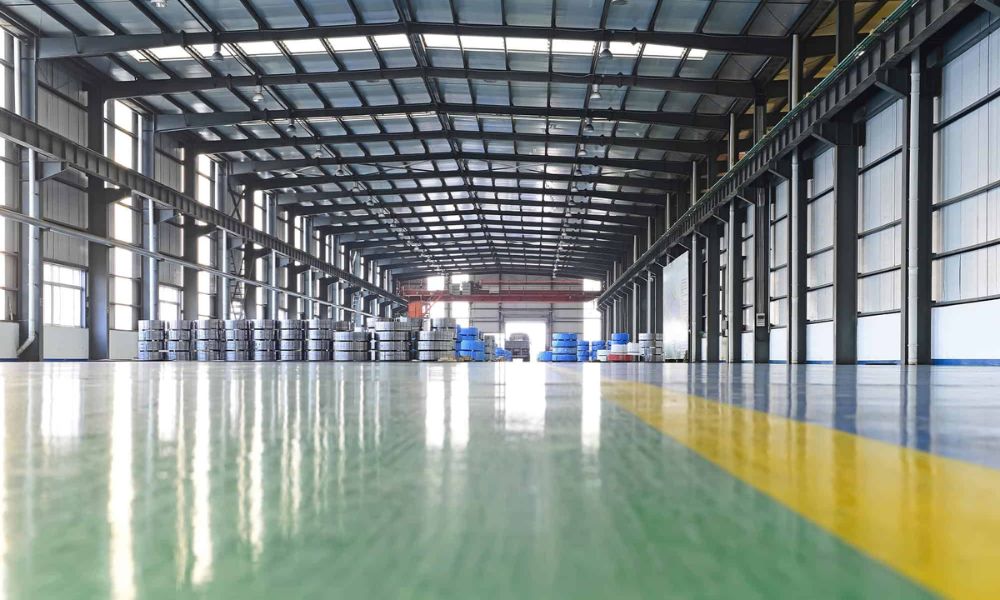
Your warehouse floor coating is one of the most significant investments in your facility. A properly installed epoxy or industrial floor coating can cost thousands of dollars — and without consistent maintenance, that investment deteriorates faster than it should.
The good news? Most coating damage is preventable. With the right warehouse floor coating maintenance routine, you can extend your floor’s lifespan, reduce repair costs, and keep your facility safe and professional-looking for years.
In this guide, you’ll get actionable cleaning practices, a ready-to-use inspection checklist, expert recommendations, and answers to the most common questions facility managers ask about industrial floor care. Learn more at Maui Epoxy Solutions.
Why Warehouse Floor Coating Maintenance Matters
Neglecting your floor coating doesn’t just affect appearance — it creates real operational and financial risks.
Here’s what’s at stake when maintenance slips:
- Safety hazards: Worn coatings lose their slip resistance, increasing fall risk for workers and forklift operators.
- Accelerated damage: Small cracks and chips allow moisture to penetrate the substrate, leading to costly structural repairs.
- Reduced coating lifespan: An unmaintained coating may fail in 3–5 years. With proper care, the same system can last 10–15 years or longer.
- Compliance risks: Many industrial facilities must meet OSHA and safety standards that include floor condition requirements.
- Professional image: Clients, auditors, and partners notice the condition of your facility. A well-maintained floor signals operational excellence.
Simply put, consistent industrial floor coating maintenance protects your budget, your team, and your reputation.
Daily Cleaning Practices for Warehouse Floors
Routine cleaning is the foundation of concrete floor coating protection. Dirt, grit, and chemical residue act like sandpaper underfoot — grinding away the coating surface with every pass of a forklift or pallet jack.
Remove Dirt and Debris Regularly
Sweep or dust-mop the floor at the start and end of each shift. In high-traffic zones — loading docks, aisle corridors, staging areas — more frequent sweeping may be necessary. Loose particles left on the surface become abrasive agents that degrade the coating over time.
Use Appropriate Cleaning Equipment
Not all equipment is safe for coated floors. Use soft-bristle brooms, microfiber dust mops, or industrial auto-scrubbers with non-abrasive pads. Avoid steel-bristle brooms and harsh scrubbing pads that scratch the coating surface. When wet-mopping, use a neutral-pH cleaner diluted per manufacturer instructions — acidic or alkaline solutions can break down epoxy warehouse flooring and similar systems.
Prevent Abrasive Material Build-Up
Grit, sand, and metal shavings are particularly damaging in manufacturing and distribution environments. Place heavy-duty entrance matting at all entry points and loading dock transitions. This one simple step dramatically reduces the volume of abrasive material tracked onto coated surfaces.
How to Prevent Damage to Industrial Floor Coatings
Even with daily cleaning, warehouse operations expose coatings to significant mechanical and chemical stress. Proactive damage prevention is a critical part of floor coating durability management.
Protect Against Heavy Equipment Wear
Forklifts and heavy pallet jacks concentrate enormous weight on small contact points. Over time, this causes surface abrasion and can crack the coating along frequent travel paths. Use soft polyurethane wheels on material handling equipment rather than hard nylon or metal wheels. Where possible, establish defined traffic lanes to distribute wear evenly across the floor surface.
Manage Chemical Spills Immediately
Oils, solvents, battery acid, and cleaning agents can chemically attack floor coatings if left to sit. Establish a spill response protocol: contain the spill immediately, absorb with non-reactive materials like dry sand or absorbent pads, then clean the area with a pH-neutral solution. The faster the response, the less damage the coating sustains.
Reduce Impact Damage
Dropped tools, falling pallets, and heavy equipment impacts create chips and cracks that compromise coating integrity. Install rubber bumpers on shelving and racking systems. In areas with high impact risk — near packing stations or loading bays — consider applying additional protective coatings or anti-fatigue matting.
Scheduled Inspection Checklist
Performing routine inspections allows you to catch minor issues before they become major repairs. Complete this checklist monthly — or quarterly at minimum.
- Surface scratches — Check for fine scratches and swirl marks in high-traffic zones, especially forklift lanes.
- Coating wear patterns — Look for thinning or dulling areas where the coating is being gradually worn away.
- Cracks and chips — Identify any fractures or missing coating sections that expose the concrete substrate.
- Moisture issues — Check for bubbling, delamination, or white efflorescence, which indicate moisture intrusion beneath the coating.
- Staining and discoloration — Note chemical stains or UV discoloration that may indicate coating degradation.
- Safety markings visibility — Confirm that aisle lines, hazard zones, and directional markings remain clearly visible and intact.
Document findings with photos and date stamps. This inspection log becomes invaluable when scheduling repairs or discussing recoating timelines with your flooring contractor.
Best Practices for Maintaining Epoxy and Industrial Floor Coatings
Beyond daily cleaning and inspections, a structured maintenance program delivers the best long-term results for commercial warehouse floors.
- Use approved cleaning products: Always verify that your cleaning solutions are compatible with your specific coating system. When in doubt, contact your flooring contractor for product recommendations.
- Follow a maintenance schedule: Light daily cleaning, weekly deep mopping, monthly inspections, and annual professional assessments create a layered defense against premature wear.
- Apply protective floor pads: In stationary equipment areas, use rubber or foam pads under machinery feet to prevent point-load damage.
- Implement traffic management strategies: Use floor tape or painted markings to define pedestrian walkways and equipment lanes, reducing overlap and concentrated wear.
- Train your team: Employees and equipment operators should understand why floor care matters and how to respond to spills, damage, and cleaning requirements. A brief onboarding session or posted guidelines near cleaning stations goes a long way.
Common Warehouse Floor Maintenance Mistakes to Avoid
Even well-intentioned maintenance programs can cause damage when the wrong approach is used.
- Using harsh chemicals: Bleach, ammonia-based cleaners, and strong acids strip coating finishes and accelerate degradation. Always use neutral-pH products.
- Ignoring minor damage: A small chip today becomes a large crack tomorrow. Address surface damage promptly to prevent moisture infiltration and further coating failure.
- Delaying repairs: Many facility managers wait until damage is severe before calling a contractor. Early repairs are far less expensive than full recoating or concrete remediation.
- Improper cleaning tools: Steel wool, wire brushes, and abrasive pads scratch protective surfaces and reduce coating life significantly.
- Lack of routine inspections: Without a consistent schedule, damage goes unnoticed until it’s extensive. Monthly walkthroughs take less than an hour and save thousands in repair costs.
When Should a Warehouse Floor Coating Be Repaired or Recoated?
Knowing when to act is just as important as knowing how to maintain.
Warning signs that repair is needed:
- Visible cracks, chips, or peeling sections
- Coating delamination (bubbling or lifting from the substrate)
- Persistent staining that cleaning won’t remove
- Loss of surface texture and slip resistance
Expected coating lifespan: A well-maintained epoxy or polyurethane warehouse floor coating typically lasts 7–15 years, depending on traffic volume, load types, and maintenance consistency.
Performance indicators for recoating: If more than 20–25% of the floor surface shows significant wear, or if safety markings are consistently difficult to maintain, a full recoat may be more cost-effective than spot repairs.
A professional assessment from an industrial flooring specialist provides an objective evaluation and helps you plan maintenance budgets accurately.
Expert Tips for Maximizing Warehouse Floor Coating Lifespan
Industry professionals consistently point to these practices as the highest-impact actions for long-term floor coating performance:
- Schedule a professional deep clean and inspection annually, not just when problems arise.
- Re-apply topcoats every 3–5 years in high-traffic zones to maintain surface protection before the base coat is compromised.
- Control humidity and temperature in your facility — extreme fluctuations accelerate coating stress and delamination.
- Keep a maintenance log. Facilities with documented care histories experience fewer unexpected failures and negotiate better rates on repair contracts.
- Partner with your original flooring contractor. They know your specific coating system and can provide tailored product and maintenance recommendations.
Frequently Asked Questions
How often should warehouse floors be cleaned?
High-traffic warehouse floors should be swept daily and wet-mopped at least once per week. Areas near loading docks or chemical storage may require more frequent attention.
What is the average lifespan of a warehouse floor coating?
With proper warehouse floor coating maintenance, most epoxy and polyurethane coatings last between 7 and 15 years. Heavy industrial environments with forklift traffic may see shorter lifespans without proactive care.
Can damaged epoxy coatings be repaired?
Yes. Chips, cracks, and delaminated sections can be patched and recoated by a qualified industrial flooring contractor, provided the substrate is structurally sound. Early repairs are far less costly than full replacement.
What cleaning products are safe for industrial floor coatings?
Neutral-pH cleaners specifically formulated for coated concrete are the safest choice. Avoid bleach, ammonia, citrus-based degreasers, and any product with a pH below 4 or above 10, as these can degrade the coating binder.
How do I know when recoating is necessary?
If you’re seeing widespread wear, persistent staining, loss of slip resistance, or visible concrete substrate in multiple areas, it’s time to consult a flooring specialist. A professional assessment will determine whether a topcoat refresh or full recoat is the right solution.
Conclusion
Warehouse floor coating maintenance isn’t complicated — but it does require consistency. Daily cleaning, proactive damage prevention, monthly inspections, and timely repairs are the four pillars that keep industrial floor coatings performing at their best.
The facilities that get the most value from their flooring investment are those that treat maintenance as an ongoing priority, not a reactive task. A well-maintained coating saves money, protects workers, and extends the life of your floor system by years.
Start with the inspection checklist, build a cleaning schedule your team can follow, and commit to annual professional reviews. Your floor will pay you back.
Ready to protect your flooring investment? Schedule a professional warehouse floor assessment and maintenance consultation today. Our industrial flooring specialists will evaluate your current coating condition, identify risks, and recommend a tailored maintenance plan to maximize performance and lifespan.