
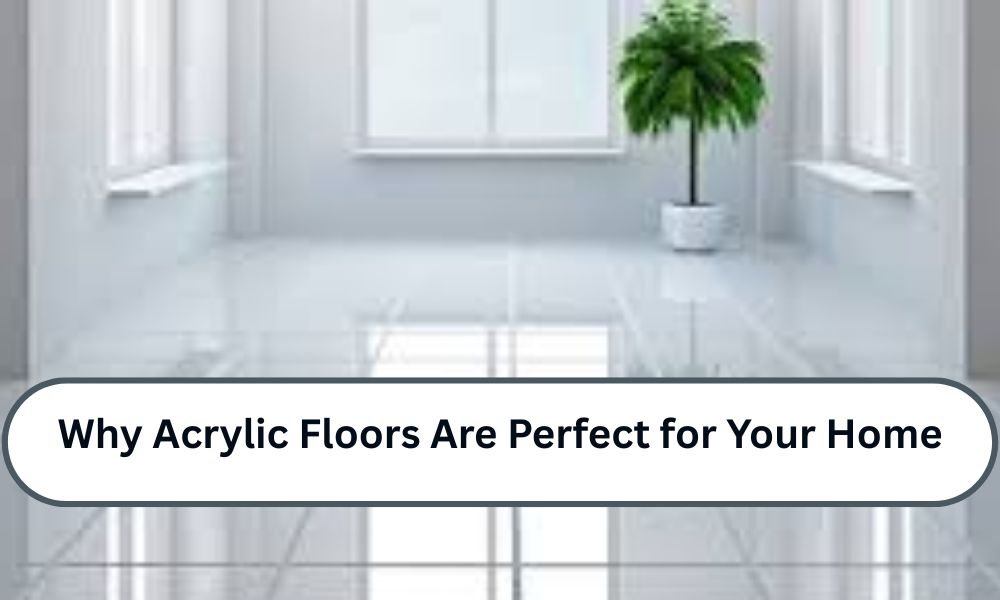
Whether you’re renovating your home or designing a new space, acrylic flooring offers a practical combination of beauty, longevity, and easy upkeep. In this guide, you’ll learn the key benefits of acrylic floors , where they work best, how they compare to other flooring options, and why they are becoming a preferred choice for modern interiors.
Acrylic floors are perfect for your home because they combine strength, easy cleaning, and design flexibility in one coating. They resist stains, scratches, moisture, and UV fading, which are the four things that wear down most flooring in Hawaii. They also cure fast, often within hours, so your home is back in use quickly. For Maui homeowners dealing with salt air, humidity, and strong sun, acrylic flooring solutions offer protection that carpet, vinyl, and many tile options can’t match.
Transform Your Floors with Experts You Can Trust
Ready to upgrade your concrete into a durable, stylish surface? Our team delivers high-quality epoxy flooring built to last in Maui’s climate.
or call 01202 985 241
What Are Acrylic Floors?
Acrylic floors are resin-based coatings bonded directly to a concrete slab. Most residential systems use methyl methacrylate (MMA), a fast-curing acrylic resin that forms a hard, joint-free surface. The result has no grout lines or seams where water, dirt, or bacteria can settle.
The Acrylicon flake system is one of the best-known acrylic floor products. It layers resin with decorative color flakes and a clear topcoat. The system has been used in hospitals, commercial kitchens, and food plants for decades, and it brings that same performance to homes.
Why Are Acrylic Floors So Durable?
Acrylic floors last because they bond chemically with the concrete beneath them. They don’t sit on top like a rug or a click-lock plank. The coating becomes part of the slab, so it won’t peel, buckle, or warp under daily use.
Here’s what that means in your home:
- Scratch resistance: Pet claws, chair legs, and dropped tools leave little to no mark.
- Stain resistance: Spilled wine, coffee, oil, and cleaning chemicals wipe away without soaking in.
- Moisture resistance: Water can’t seep into the surface, which protects kitchens, bathrooms, and lanais.
- Impact resistance: The multi-layer build absorbs heavy foot traffic in hallways and entryways.
When professionals install and maintain them properly, acrylic floors can last up to 20 years. Carpet often needs replacing within 8 to 10 years, especially in humid climates. Ask any installer for the expected lifespan of their specific system before you sign a contract.
How Do You Clean and Maintain Acrylic Floors?
Acrylic floors need only basic cleaning to stay glossy. Their non-porous surface keeps dirt on top, where a mop can reach it. You don’t need waxing, sealing, or special polishes.
Follow this simple routine:
- Sweep or dust-mop daily to remove sand, which is common in Maui homes near the beach.
- Mix a mild detergent with warm water. Skip harsh acids and citrus-based cleaners.
- Mop with a microfiber pad to lift fine dirt without dulling the finish.
- Wipe spills promptly, even though the surface resists stains.
- Schedule a professional check-up every few years to inspect the topcoat in high-traffic zones.
Compare that to hardwood, which needs refinishing, or tile, which needs grout scrubbing and resealing. Acrylic flooring saves you time every single week. Start by swapping your current floor cleaner for a pH-neutral option.
Can Acrylic Floors Match Your Home’s Style?
Acrylic floors adapt to almost any interior design. You can choose from solid colors, decorative flake blends, quartz textures, and finishes ranging from high gloss to satin.
The Acrylicon flake system Hawaii homeowners choose most often uses broadcast flakes, which are small colored chips scattered across the wet resin. Flakes add texture, hide minor dust, and improve grip underfoot. Popular Maui choices include:
- Sand and stone blends that echo the island’s natural beaches
- Ocean blues and grays for a coastal look
- Earthy browns and reds that complement volcanic rock landscaping
- Neutral whites and tans for bright, modern interiors
Ask for physical flake samples rather than relying on photos. Colors shift under Hawaii’s strong natural light.
Are Acrylic Floors Cost-Effective?
Acrylic floors cost less over time than most flooring alternatives. The upfront price is competitive with mid-range tile and hardwood, but the real savings come later.
Three factors drive that value:
- Fewer repairs. Chips and stains are rare, so you skip costly patch jobs.
- Lower maintenance spending. You won’t buy waxes, sealers, or carpet cleaning services.
- Longer lifespan. One installation can outlast two or three carpet replacements.
Fast curing also reduces labor costs. MMA resins can cure in about an hour, even in cooler temperatures, so most projects finish in a day or two. Request a written quote that lists surface prep, coating layers, and topcoat type before comparing prices.
Are Acrylic Floors Good for Maui’s Climate?
Acrylic floors perform exceptionally well in Hawaii’s tropical climate. Maui homes face year-round humidity, salt-laden air, intense UV exposure, and frequent sand and moisture tracked in from outdoors.
Acrylic flooring solutions address each of these challenges:
- UV stability: Acrylic resins resist yellowing in sunlight. Many standard epoxies amber over time when exposed to UV.
- Humidity tolerance: The non-porous surface doesn’t swell, cup, or grow mold the way wood and carpet can.
- Salt air resistance: The coating shields concrete from salt corrosion in coastal areas like Kihei and Wailea.
- Indoor-outdoor flow: The same system works in your garage, lanai, kitchen, and pool deck.
That UV distinction matters most for sunlit rooms and covered lanais. If your space gets direct sun, ask your installer specifically about UV-stable topcoats.
Why Choose Maui Epoxy Solutions for Acrylic Floors?
Local experience determines how long your floor lasts. Island conditions affect everything from concrete moisture levels to cure times, and an installer who works on Maui every day knows how to plan for them.
Maui Epoxy Solutions has spent years installing floors across the island, including Kula, Makawao, Pukalani, Wailea, Wailuku, and Kihei. Our team handles every stage in-house:
- Inspect the concrete for moisture, cracks, and contamination.
- Prepare the surface with professional grinding for a strong bond.
- Repair damage before any coating goes down.
- Apply the system in precise layers with flake or color options.
- Seal the floor with a protective topcoat suited to your space.
Beyond acrylic systems, we provide full epoxy floor coating services, polyaspartic coatings, and quartz flooring. That range lets us recommend the right system for each room, not just the one we happen to sell. Check our reviews on Yelp to see results from real Maui homeowners.
Frequently Asked Questions About Acrylic Floors
How long do acrylic floors last?
Acrylic floors last up to 20 years with professional installation and routine care. High-traffic areas may need a fresh topcoat sooner.
Are acrylic floors slippery?
Acrylic floors with flakes or quartz texture provide good traction. Installers can also add an anti-slip additive for bathrooms, pool decks, and lanais.
How fast can you walk on acrylic floors?
Most acrylic systems allow foot traffic within a few hours of the final coat. Many projects finish in one to two days.
What is the difference between acrylic and epoxy floors?
Acrylic floors cure faster and resist UV yellowing. Epoxy floors cure slower but offer excellent chemical resistance and a lower material cost. Both create durable, attractive surfaces.
Can acrylic floors go over existing concrete?
Yes. Acrylic coatings bond directly to properly prepared concrete, including garage slabs, basements, and patios.
Get Acrylic Floors Installed in Your Maui Home
Your floors should handle island life without constant upkeep. Acrylic floors give you durability, easy cleaning, custom style, and climate resistance in one long-lasting system.