
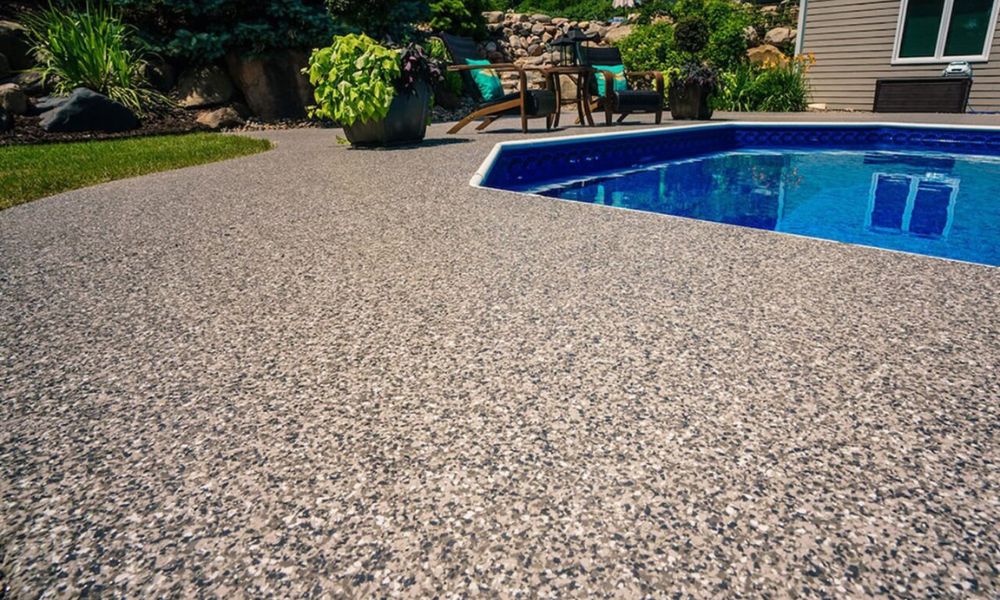
Your pool deck takes a beating every single day. Relentless sun, intense heat, splashing water, and constant foot traffic all work together to wear down even the most durable surfaces. Over time, this exposure causes fading, discoloration, cracking, and surface degradation — turning what should be an attractive outdoor feature into an eyesore that demands expensive repairs.
A high-quality pool deck coating offers a smart, lasting solution. Modern coating systems are engineered to shield surfaces from UV rays, lock in color, and extend the life of your deck by years. Whether you own a private home, a resort property, or a commercial facility, the right protective finish can save you significant time, money, and frustration. Learn more at Maui Epoxy Solutions.
Understanding UV Damage on Pool Deck Surfaces
UV rays are a form of electromagnetic radiation emitted by the sun. While they’re invisible to the naked eye, their impact on outdoor surfaces is anything but subtle.
When UV rays penetrate an unprotected concrete or coated surface, they break down the chemical bonds in the material. This leads to:
- Color fading — vibrant tones turn pale and washed out
- Surface chalking — a dusty, powdery residue forms on the surface
- Hairline cracking — thermal expansion and UV stress fracture the surface layer
- Loss of visual appeal — the entire deck looks aged and neglected
Pool decks are especially vulnerable because they combine sun exposure with water, heat, and chemical contact from pool treatments. In warm, tropical, or sunbelt climates, UV intensity accelerates this deterioration significantly. A deck that might last 10 years in a moderate climate could show serious damage in just three to five years under constant intense sun.
How Pool Deck Coatings Create a Protective Barrier
Modern UV-resistant pool deck coatings work by forming a dense, protective layer over the concrete or substrate beneath. This barrier reduces direct UV penetration and slows the material breakdown process considerably.
Here’s what professional-grade coating systems typically include:
- UV-resistant pigments that absorb and deflect solar radiation
- Topcoat sealers that prevent moisture intrusion and chemical absorption
- Flexible binders that accommodate surface movement without cracking
- Reflective compounds that reduce heat buildup in the surface
When professionally applied, these systems dramatically slow oxidation, preserve color integrity, and maintain structural surface quality. Think of it as sunscreen for your deck — but far more durable and long-lasting.
Key Ways Pool Deck Coatings Prevent Fading
UV-Stable Color Technology
Premium fade-resistant pool deck surfaces use UV-stable pigments that are chemically resistant to solar degradation. Unlike standard paints or basic sealers, these pigments don’t break down under prolonged sun exposure. The result is a surface that holds its color vibrancy for years — not months. High-quality coatings typically maintain their appearance for 5 to 10 years or more with proper maintenance.
Reflecting Solar Heat
Some sun-resistant deck coatings incorporate reflective technology that bounces solar energy away from the surface rather than absorbing it. This is particularly valuable in hot climates where surface temperatures can exceed 140°F on an uncoated deck. Cooler surfaces experience less thermal stress, which reduces expansion-related cracking and keeps the coating bond intact longer.
Protection Against Oxidation
UV exposure triggers oxidation — a chemical process that degrades surface materials at a molecular level. Protective pool deck finishes create a sealed environment that limits oxygen and moisture interaction with the substrate. This significantly slows oxidation, preserving the structural integrity of the surface beneath the coating.
Consistent Surface Appearance
Beyond chemistry, coatings maintain visual consistency across the entire deck surface. Without protection, different areas of the deck — those under shade versus those in direct sun — fade at different rates, creating an uneven, patchy appearance. A quality outdoor deck coating ensures the entire surface ages uniformly, keeping the deck looking intentional and well-maintained.
Additional Benefits Beyond UV Protection
Improved Slip Resistance
Safety is a real concern around wet pool areas. Many professional decorative pool deck coatings include textured additives or aggregates — similar to what you’d find in quartz flooring systems — that provide grip even when the surface is wet. This reduces the risk of slips and falls, which matters especially for resorts, hotels, and commercial properties with liability considerations.
Reduced Surface Cracking
Coatings act as a flexible shield that absorbs environmental stress. They reduce the impact of temperature swings, freeze-thaw cycles, and moisture infiltration — all of which contribute to surface cracking. Proper pool deck protection essentially extends the structural life of the concrete beneath.
Easier Cleaning and Maintenance
Sealed, coated surfaces resist stains, algae growth, and dirt penetration. Routine pool deck maintenance becomes significantly easier — a simple rinse or light scrub is often all it takes to keep the surface looking clean. Uncoated concrete, by contrast, soaks up contaminants and becomes increasingly difficult to clean over time.
Enhanced Property Value
A clean, attractive pool deck elevates the entire outdoor environment. For homeowners, it improves curb appeal and adds to the overall aesthetic of the property. For resort and commercial property owners, it creates a professional first impression that guests notice immediately. Just like patio and lanai epoxy systems transform interior-adjacent spaces, pool deck coatings bring the same level of polish to outdoor areas.
Types of Pool Deck Coatings Designed for UV Resistance
Choosing the right coating depends on your climate, usage level, and aesthetic goals. Here’s a quick comparison:
Epoxy Coatings — Durable and cost-effective, epoxy provides solid UV resistance and a hard surface finish. It works well in moderate climates. In very hot conditions, standard epoxy can yellow slightly over time, so pairing it with a UV-stable topcoat is recommended. Similar systems are popular for garage floor epoxy applications.
Polyaspartic Coatings — These are among the best options for sunny, high-heat climates. Polyaspartic coatings cure faster, resist yellowing, and offer superior UV stability compared to standard epoxy. They also tolerate temperature extremes well, making them ideal for year-round outdoor use.
Acrylic Coatings — A traditional and budget-friendly option, acrylic coatings bond well to concrete and offer decent UV protection. They require more frequent reapplication — typically every three to five years — but remain a popular choice for pool deck resurfacing projects.
Decorative Concrete Coatings — These systems combine protection with visual customization. Stamped overlays, color flakes, or exposed aggregate finishes can replicate the look of stone, tile, or wood while delivering solid pool deck durability. They’re excellent for properties where aesthetics are a priority alongside protection.
Signs Your Pool Deck May Need a New Protective Coating
Don’t wait until the damage is severe. Watch for these warning signs:
- Noticeable color fading or uneven discoloration
- Chalky or powdery residue on the surface
- Hairline cracks or spider-web cracking patterns
- Peeling, bubbling, or flaking of an existing coating
- Rough or pitted texture that traps dirt and debris
- Increasing difficulty keeping the surface clean
If you’re seeing two or more of these signs, it’s time to consult a concrete surface protection services professional for an evaluation. In many cases, a fresh coating — or a full pool deck resurfacing — can restore the surface completely, even on older, weathered decks.
Why Professional Installation Matters
Is professional installation worth it? Absolutely — and here’s why.
The performance of any coating system depends heavily on how it’s applied. Professional installers prepare the surface properly by cleaning, grinding, and repairing cracks before a single drop of coating goes down. This prep work is what makes the difference between a coating that lasts ten years and one that peels within twelve months.
Professionals also select the right product for your specific climate, usage, and surface condition. They apply coatings at the correct thickness and under appropriate weather conditions to ensure proper adhesion and cure.
Many professional installations come with product and labor warranties — something no DIY application can offer. For commercial property owners and resort managers, this warranty protection is especially valuable.
Protect Your Pool Deck Investment for Years to Come
UV damage is one of the most consistent and costly threats facing outdoor surfaces. Left unchecked, it fades colors, degrades materials, and turns a beautiful pool area into a maintenance burden.
A professionally installed pool deck coating changes that equation entirely. It shields your surface from UV rays, preserves color and texture, improves safety, and reduces long-term maintenance costs — all while keeping your outdoor space looking its best.
The right coating can restore an aging deck, protect a newly poured one, and serve you well for a decade or more with basic upkeep.
Ready to stop UV damage before it gets worse? Contact our team today to schedule a professional pool deck coating consultation. We’ll assess your surface, recommend the best UV-resistant system for your climate and usage, and deliver a finish built to last.