

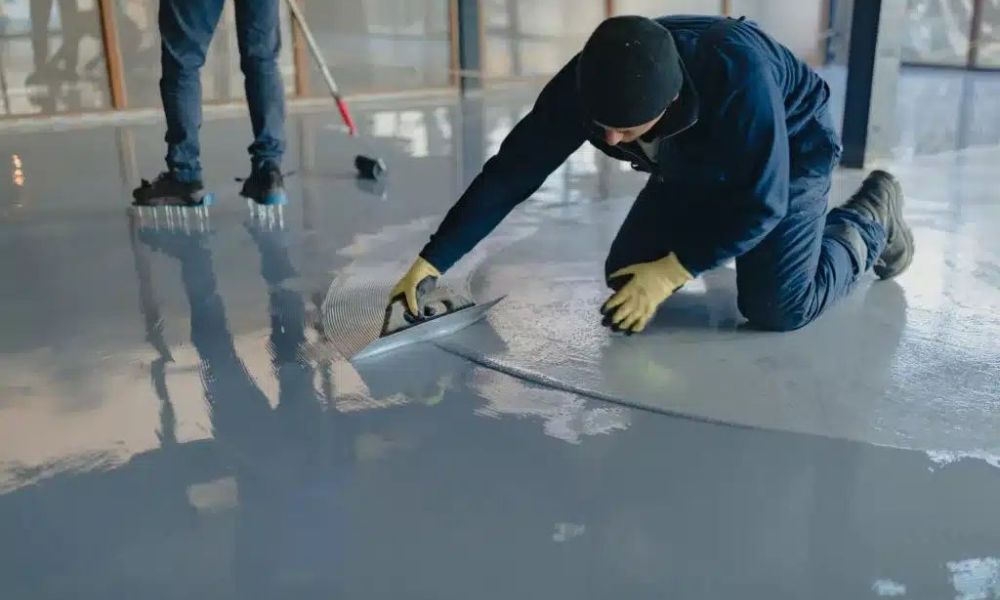
If you own a home or run a business on Maui, you already know our climate tests every building material we throw at it. So how long does epoxy flooring last when it faces high humidity, salt air, UV exposure, heavy foot traffic, moisture, and near-constant tropical weather? The short answer: a properly installed epoxy floor lasts 10–20 years or more in Hawaii. In this guide, we explain realistic lifespan expectations, the factors that affect durability, the maintenance that extends it, and how to know when replacement makes sense.
How Long Does Epoxy Flooring Last?
Here is the direct answer most people are searching for:
- Residential epoxy floors: typically 10–20 years
- Commercial epoxy floors: generally 7–15 years
- Industrial epoxy systems: around 5–10+ years, depending on traffic and maintenance
Professionally installed epoxy in Hawaii can reach the upper end of these ranges with proper care and moisture control. Installation quality and routine maintenance matter more than any single product spec.
What Determines the Lifespan of Epoxy Flooring?
Epoxy flooring is a resin-and-hardener coating bonded to a concrete slab. Its lifespan comes down to how well that bond is created and protected. Here are the factors that decide how long your floor holds up:
- Installation quality: Correct mixing, timing, and application drive nearly everything else.
- Surface preparation: Diamond grinding or shot blasting opens the concrete pores so the coating locks in.
- Concrete condition: Cracks, spalling, and old sealers all reduce adhesion if left untreated.
- Moisture mitigation: A slab that pushes vapor upward will delaminate any coating without a moisture barrier.
- Type of epoxy used: 100% solids systems outlast thin water-based products in demanding spaces.
- Coating thickness: Thicker builds resist abrasion and impact for longer.
- UV exposure: Standard epoxy ambers under direct sun. UV-resistant epoxy flooring and aliphatic topcoats prevent this.
- Traffic levels: A two-car garage wears slower than a busy restaurant kitchen.
- Cleaning habits: Grit acts like sandpaper. Regular cleaning protects the finish.
- Chemical exposure: Oils, acids, and solvents degrade coatings that were not rated for them.
Key takeaway: Surface prep and moisture control account for most premature failures we see. The American Concrete Institute (ACI) recommends moisture testing before any coating goes down, and we follow that standard on every job.
How Hawaii’s Humid Climate Affects Epoxy Flooring
Our island conditions are unlike mainland environments, and epoxy floor durability depends on planning for them. Here is what your floor faces in Hawaii:
- Tropical humidity: High moisture in the air slows curing and can trap vapor if the slab was not tested.
- Saltwater air: Coastal homes deal with salt that accelerates corrosion on adjacent metal and settles into surface grit.
- Heavy rain: Seasonal storms raise groundwater and increase slab moisture vapor.
- Moisture vapor: Concrete near the ocean often carries higher moisture readings, which is the number one cause of peeling.
- UV intensity: Our sun is strong year-round. Without UV-resistant epoxy flooring, patios and garages can yellow.
- Sand abrasion: Tracked-in sand scratches the topcoat over time, especially near entryways.
- Temperature fluctuations: Day-to-night swings cause concrete to expand and contract, stressing the bond.
Because moisture is the biggest threat here, we never skip professional moisture testing. We measure slab moisture using calcium chloride or relative humidity probes, then match the primer and moisture-mitigation layer to the reading. That single step is why our concrete coatings in Hawaii hold up where quick DIY jobs fail.
Residential Epoxy Flooring Lifespan
For homes, epoxy flooring lifespan varies by how each space gets used. Here is what we expect from our Residential Epoxy Flooring and Garage Epoxy Flooring systems:
| Application | Expected Lifespan | Notes |
| Garage floors | 15–20 years | Handles vehicles, tools, and dropped items well |
| Driveways | 8–12 years | UV-resistant topcoat is essential outdoors |
| Patios | 8–15 years | Needs UV protection and slip-resistant additives |
| Basements | 15–20 years | Moisture mitigation is critical |
| Laundry rooms | 15–20 years | Resists detergent and water spills |
| Storage rooms | 15–20 years | Low traffic means long life |
| Workshops | 12–18 years | Chemical-resistant systems recommended |
Garage epoxy flooring in Hawaii commonly reaches the 20-year mark because these floors stay shaded and see moderate traffic. Outdoor areas need a UV-stable topcoat to stay clear.
Commercial Epoxy Flooring Lifespan
Commercial epoxy flooring works harder, so lifespan depends heavily on a maintenance schedule. Here is what we plan for across common island businesses:
- Retail stores: 10–15 years with routine cleaning
- Restaurants: 7–10 years due to grease, heat, and constant traffic
- Warehouses: 8–12 years, longer with joint fillers and thicker builds
- Medical facilities: 10–15 years; antimicrobial topcoats meet hygiene needs
- Auto shops: 7–12 years with chemical-resistant systems
- Hotels: 10–15 years in lobbies and back-of-house areas
- Office buildings: 12–18 years in low-traffic zones
- Fitness centers: 8–12 years under dropped weights and heavy foot traffic
Maintenance schedules extend coating life because they catch small problems early. A resealed high-traffic lane costs far less than recoating an entire floor. We build a service plan into every Commercial Epoxy Flooring project.
Signs Your Epoxy Floor Needs Repair or Replacement
Watch for these warning signs. Some call for a simple repair, while others mean it is time to recoat:
- Peeling: Often a moisture or adhesion issue. Repair the area; recoat if widespread.
- Cracking: Small surface cracks are patchable. Deep structural cracks need slab attention first.
- Bubbling: Usually trapped moisture or air. Grind and recoat the affected section.
- Yellowing: Cosmetic UV amber. A UV-stable topcoat restores appearance.
- Surface wear: Thinning gloss in traffic lanes. A new topcoat renews protection.
- Deep scratches: Minor ones buff out. Deep gouges need spot repair.
- Moisture damage: Signals a failed vapor barrier. This often requires removal and reinstallation.
- Loss of gloss: A clear sign it is time to reapply the protective topcoat.
Repair vs. recoat rule of thumb: If damage covers less than 20% of the floor and the base coat is sound, we repair. When wear is widespread or the bond is failing, recoating gives you a better long-term result.
How to Make Epoxy Flooring Last Longer
Long-lasting epoxy floors come down to simple, consistent care. Follow these steps:
- Sweep or dust-mop regularly to remove grit before it scratches the surface.
- Mop with a pH-neutral cleaner to protect the topcoat and its shine.
- Avoid harsh chemicals like acids and citrus degreasers that dull the finish.
- Use protective pads under heavy furniture and equipment legs.
- Clean spills promptly, especially oil, chemicals, and salt water.
- Reapply the protective topcoat when we recommend it, usually every few years in high-traffic areas.
- Schedule periodic professional inspections so small issues get fixed before they spread.
The EPA recommends non-toxic, pH-neutral cleaners for indoor floors, which also happens to be the safest choice for epoxy. Skip the abrasive scrubbers.
Why Professional Installation Makes a Big Difference
DIY kits look affordable until the coating peels within a year. Most failures we are called to fix trace back to a few avoidable mistakes:
- Poor grinding: Skipping mechanical prep leaves the coating with nothing to grip.
- Improper moisture testing: No test means no defense against vapor pressure from the slab.
- Incorrect mixing ratios: Off-ratio epoxy never cures to full strength.
- Inadequate curing conditions: High humidity during cure causes hazing and soft spots.
- Thin coating application: Thin coats wear through fast and fail early.
We approach professional epoxy installation in Maui with a documented process. We grind every slab, test moisture before we prime, follow manufacturer mix ratios from suppliers like Sherwin-Williams and Sika, and apply each coat to spec thickness. We stand behind that work because we do not leave the outcome to chance.
Is Epoxy Flooring Worth It in Hawaii?
For most island homes and businesses, epoxy is one of the best flooring investments available. Here is why:
- Long-term durability: A properly installed floor lasts 10–20 years.
- Low maintenance: Sweeping and pH-neutral mopping keep it looking new.
- Moisture resistance: Sealed epoxy creates a moisture-resistant flooring surface ideal for our climate.
- Improved appearance: Metallic and flake finishes upgrade any space.
- Higher property value: Durable, finished floors appeal to buyers.
- Cost savings: One epoxy install often outlasts several rounds of tile, carpet, or vinyl.
When you weigh epoxy flooring cost in Hawaii against repeated replacement of cheaper materials, the long-term math favors epoxy for coastal homes and commercial facilities alike.
Frequently Asked Questions
How long does epoxy flooring last?
Residential epoxy lasts 10–20 years, commercial 7–15 years, and industrial 5–10+ years, depending on traffic and maintenance.
Does humidity shorten epoxy flooring life?
Only if the slab is not tested for moisture. With proper vapor mitigation, epoxy performs well in humid climates.
Can epoxy flooring peel in Hawaii?
Yes, usually from trapped moisture or poor surface prep. Professional moisture testing prevents most peeling.
How often should epoxy floors be recoated?
High-traffic floors benefit from a fresh topcoat every 3–5 years. Low-traffic floors may go 7–10 years.
Is epoxy better than polished concrete?
Epoxy resists chemicals and moisture better and offers more finishes. Polished concrete needs less upkeep but shows stains more easily.
Can garage epoxy last 20 years?
Yes. Shaded, moderate-traffic garage floors commonly reach 15–20 years with routine cleaning.
Does UV light damage epoxy?
Standard epoxy yellows under direct sun. UV-resistant epoxy flooring with an aliphatic topcoat stays clear.
Can epoxy be repaired instead of replaced?
Often, yes. Localized peeling, chips, and scratches can be repaired without redoing the whole floor.
Is epoxy flooring waterproof?
A properly sealed epoxy floor is water-resistant and repels surface moisture. It is not a substitute for slab waterproofing.
How do I maintain epoxy floors?
Sweep regularly, mop with a pH-neutral cleaner, avoid harsh chemicals, and clean spills quickly.
Conclusion
So, how long does epoxy flooring last in Hawaii’s humid climate? With professional installation and simple maintenance, you can expect 10–20 years for residential floors and 7–15 years for commercial spaces. The keys are moisture testing, proper surface prep, correct coating thickness, and routine care. Handle those, and epoxy becomes one of the most durable, cost-effective flooring choices for island living.
If you want an honest assessment of your slab and a realistic lifespan estimate for your space, contact Maui Epoxy Solutions. We test every floor, install to spec, and stand behind our work. Reach out today for a professional consultation.