

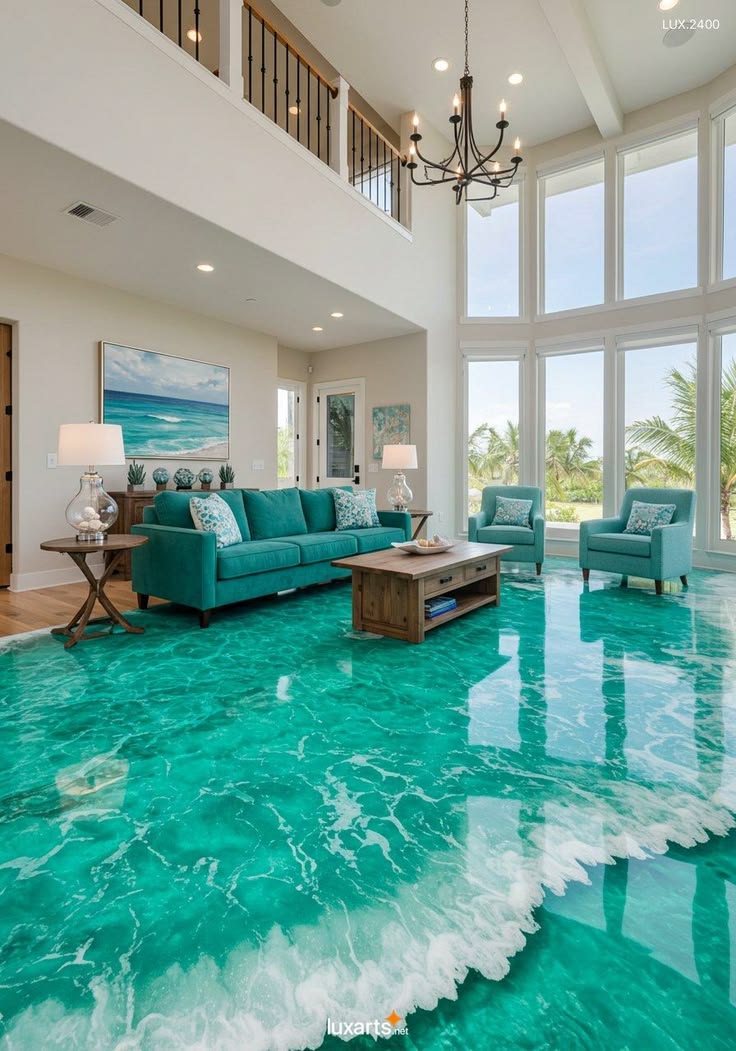
Living in Maui offers an unmatched tropical lifestyle, but it also brings unique challenges for home maintenance. Between the salty ocean breezes, intense tropical sun, and fluctuating humidity, your home’s surfaces take a beating. When it comes to upgrading your garage, lanai, or interior spaces, you need materials that look great and stand up to the elements.
You might be considering an epoxy coating, but a big question remains: what is the actual epoxy flooring lifespan Maui homeowners can expect?
Coastal environments demand more from building materials. Understanding how this durable coating performs against salt, moisture, and sun will help you make an informed decision for your property. Let us explore what you can realistically expect from epoxy floors in a tropical climate, how to maximize their lifespan, and why professional installation matters.
Lifespan of Epoxy Flooring in Coastal Areas
Under ideal indoor conditions, a high-quality epoxy floor can easily last 10 to 20 years. However, coastal environments shift this timeline. When exposed to ocean air, intense UV rays, and high moisture levels, the coastal epoxy flooring durability heavily depends on how well it was installed and maintained.
For an interior garage or basement in Maui, a professionally installed epoxy floor typically lasts 10 to 15 years before needing a topcoat refresh. If the epoxy is applied to an outdoor lanai or a heavily exposed carport, that timeline might drop to 5 to 10 years due to direct weather exposure.
The good news? Epoxy is incredibly resilient. Unlike standard concrete paint that flakes away within months, or bare concrete that quickly stains and pits, epoxy forms a hard, chemical-resistant bond with your floor. Even in harsh island conditions, it remains one of the most durable protective coatings available.
Key Factors Affecting Lifespan
Why do some epoxy floors in Maui look flawless after a decade while others bubble and peel after a single year? The answer lies in how the flooring system handles specific environmental stressors.
Salt Air and Corrosion
Ocean breezes carry microscopic salt particles that settle on every surface of your home. Over time, these salt deposits act as an abrasive. While salt air flooring effects are devastating to untreated concrete—causing it to pit and crumble—epoxy provides a seamless, non-porous barrier. However, if salt is left to accumulate heavily on the surface without regular cleaning, it can gradually wear down the protective topcoat and dull the finish.
High Humidity and Moisture
Moisture is the primary enemy of any flooring installation. Epoxy floors in humid climates face a unique challenge known as hydrostatic pressure. This occurs when moisture from the ground tries to push its way up through the porous concrete slab. If a proper moisture barrier is not applied during installation, this trapped water vapor will push against the epoxy from underneath, leading to bubbling and peeling.
UV Exposure and Sun Damage
Maui gets a lot of sunshine. Standard epoxy resins are not inherently UV stable. If you apply a basic epoxy coating to a sunlit lanai or an open garage, the sun’s ultraviolet rays will cause the clear resin to turn a chalky yellow over time. Using the best epoxy for coastal homes always involves finishing the floor with a UV-resistant polyaspartic or polyurethane topcoat to prevent this discoloration.
Installation Quality
The lifespan of your floor is directly tied to the preparation of the concrete beneath it. Proper installation requires grinding the concrete to a specific profile, ensuring the surface is completely free of oils, dust, and previous sealants. If the pores of the concrete are not properly opened, the epoxy cannot penetrate and bond.
Type of Epoxy Used
Not all epoxies are created equal. Cheap, water-based epoxy kits sold at big-box hardware stores are essentially just thick paints. They lack the chemical durability to survive Maui’s climate. Industrial-grade, 100% solid epoxy resins offer significantly thicker layers and much stronger adhesion.
Signs of Wear
Even the toughest floors eventually show their age. Catching the early warning signs of wear allows you to reseal the floor before total failure occurs. Keep an eye out for these common issues:
- Peeling or Bubbling: This usually indicates moisture trapped beneath the coating or improper surface preparation during installation. Once an area starts to peel, it exposes the bare concrete beneath, accelerating further damage.
- Discoloration or Fading: A yellowish tint on your once-clear floor means UV damage is occurring. While this does not always compromise the structural integrity of the floor, it ruins the aesthetic appeal.
- Cracks or Surface Damage: Although epoxy is incredibly hard, dropping heavy metal tools can chip the topcoat. Additionally, if the concrete slab underneath shifts or cracks due to ground settling, the rigid epoxy layer above it will crack as well.
- Loss of Gloss: A dull, cloudy finish often means the clear protective topcoat has worn down from foot traffic, sand, or salt abrasion.
Maintenance Tips
Achieving maximum Maui epoxy floor maintenance is surprisingly simple. Because the surface is non-porous, dirt and spills wipe up easily. Follow these practical maintenance tips to keep your floor looking pristine for over a decade:
Stick to a Regular Cleaning Routine
Frequent sweeping removes sand, dirt, and salt crystals before they can scratch the clear coat. For a deeper clean, use a gentle foam mop with warm water and a clear, non-abrasive cleaner (like simple dish soap or specialized epoxy cleaner). Avoid harsh acidic cleaners, vinegar, or citrus-based degreasers, as these can strip the glossy finish.
Manage Moisture Proactively
If your garage or lanai gets wet from rain or ocean spray, try to squeegee the standing water off the floor. While the epoxy itself is waterproof, standing water can create slipping hazards and leave behind hard water stains and mineral deposits when it evaporates.
Use Protective Mats
Place entry mats at doors to catch sand before it tracks across the floor. If you have heavy patio furniture or metal storage racks, place rubber pads under the legs to prevent point-load scratching.
Schedule a Topcoat Refresh
You do not need to replace the entire epoxy floor when it starts to lose its shine. After 5 to 7 years of heavy use, you can have a professional lightly sand the surface and apply a fresh UV-stable polyaspartic topcoat. This simple step revitalizes the floor, making it look brand new while extending its overall lifespan.
Professional Installation vs DIY
Hardware stores sell DIY epoxy kits that promise a weekend transformation. While tempting, choosing the DIY route for a coastal home usually ends in frustration.
Installing epoxy floors in humid climates requires precise timing, proper chemical mixing, and heavy-duty equipment. DIY kits often use water-based epoxy that cures too thin to withstand hot tires and salt air. Furthermore, DIYers rarely have access to the heavy diamond grinders needed to properly open the concrete pores. Acid washing, the most common DIY preparation method, introduces excessive water into the concrete—a recipe for disaster in a humid environment.
Professional installers use industrial diamond grinders to mechanically profile the concrete. They test the slab for moisture levels and apply specialized vapor barrier primers to prevent hydrostatic pressure failures. They also use commercial-grade, 100% solid epoxies and UV-resistant topcoats that simply are not available to the general public.
When you hire local experts, you are investing in a flooring system engineered specifically for Maui’s unique climate, ensuring a bond that will not peel or fade after a single season.
Conclusion
The epoxy flooring lifespan Maui homeowners experience ultimately comes down to preparation, product quality, and simple maintenance. While salt air, high humidity, and intense sunshine present real challenges, a high-quality, professionally installed epoxy floor is more than up to the task.
By understanding the environmental factors at play and committing to basic cleaning habits, you can enjoy a stunning, durable floor that protects your concrete and elevates your living space for well over a decade.
Ready to transform your garage, lanai, or interior space with a floor built for island life? Contact a local epoxy flooring specialist today for a consultation. Discover the exact coating solutions tailored to protect your coastal home and get a floor that looks as beautiful as the island around it.