

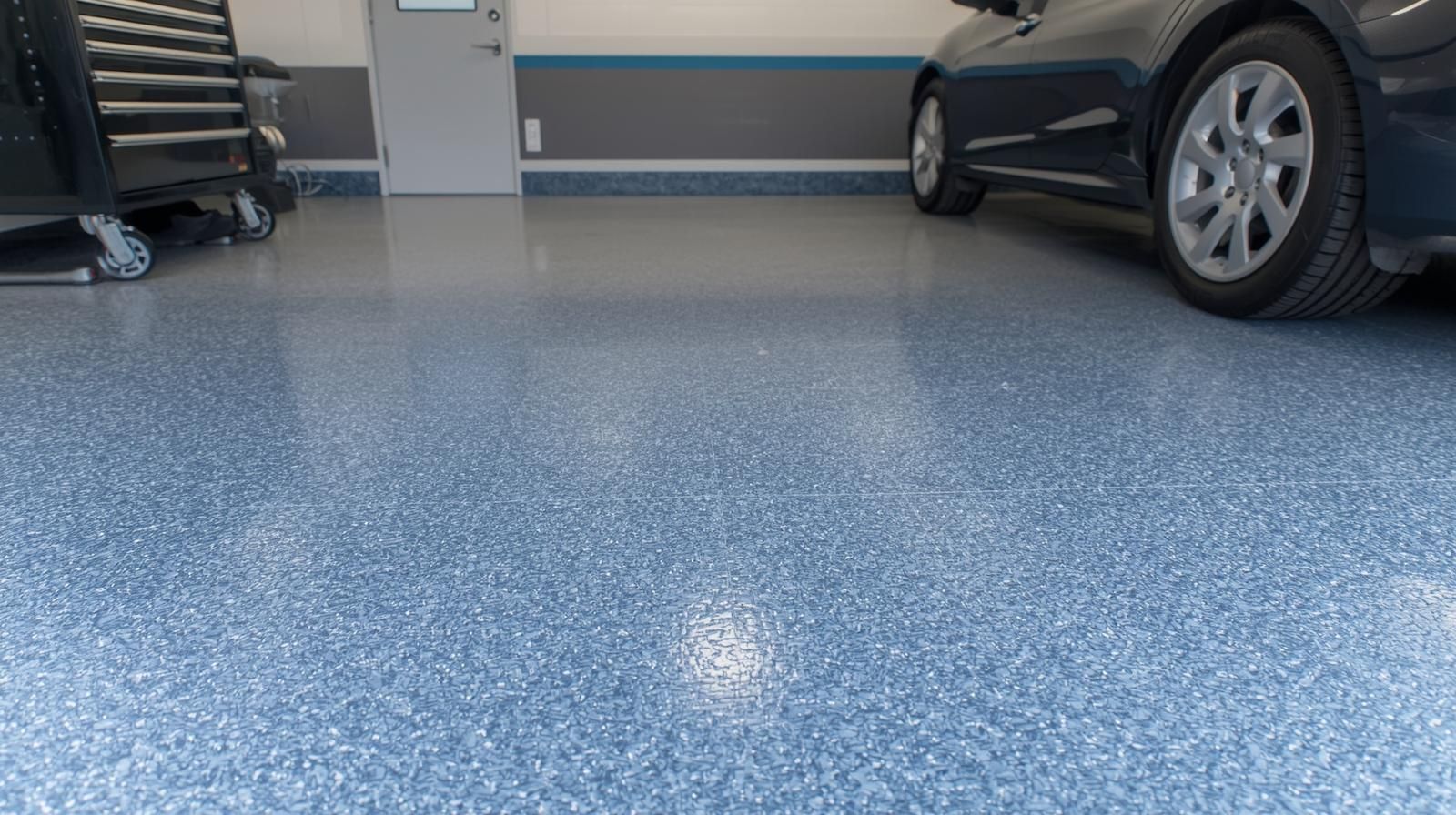
Are you tired of that dull, cracked garage floor? Looking for a solution that blends durability and style? Epoxy flooring might just be the answer. This versatile option has gained popularity among homeowners and businesses alike, transforming ordinary garages into stunning spaces. With its glossy finish and robust nature, epoxy flooring not only enhances aesthetics but also stands up to heavy use.
But is it really worth the investment? Let’s dive deeper into what makes epoxy flooring such an appealing choice for garages. From pros to cons, installation insights to maintenance tips—this guide will help you determine if residential epoxy flooring services are right for your home or if commercial epoxy flooring is better suited for business needs. Ready to discover whether this trend can elevate your garage game?
Transform Your Floors with Experts You Can Trust
Ready to upgrade your concrete into a durable, stylish surface? Our team delivers high-quality epoxy flooring built to last in Maui’s climate.
or call 01202 985 241
Pros and Cons of Epoxy Flooring for Garages
Epoxy flooring offers a sleek and modern look for garages. Its glossy finish can transform an ordinary space into something extraordinary. Many homeowners appreciate the aesthetic upgrade it provides.
Durability is another significant advantage. Epoxy floors resist stains, spills, and wear from heavy equipment or vehicles. This resilience means fewer repairs and replacements over time.
However, there are downsides to consider as well. The installation process can be complex and requires professional expertise. Mistakes during application may lead to peeling or bubbling.
Additionally, while epoxy is resistant to many substances, it can be slippery when wet unless treated with anti-slip additives.
Temperature fluctuations may also affect adhesion in certain climates, leading to potential issues down the line. Balancing these pros and cons is essential for making an informed decision about your garage’s flooring options.
Factors to Consider Before Choosing Epoxy Flooring for Garages
Before settling on epoxy flooring for your garage, consider the climate in your area. Extreme temperatures can affect how well the epoxy adheres and performs over time.
Next, think about your garage’s primary use. If it serves as a workshop or storage space for heavy tools, a thicker epoxy coating might be necessary to withstand wear and tear.
Also, evaluate the condition of your existing concrete floor. Cracks or uneven surfaces may require repair before applying an epoxy finish.
Don’t forget to factor in installation time. While some homeowners opt for DIY solutions, professional services often ensure a smooth application and better results.
Consider aesthetic preferences. Epoxy flooring offers various colors and finishes that can enhance the overall look of your garage while reflecting personal style choices.
The Process of Installing Epoxy Flooring in Garages
Installing epoxy flooring in garages involves several essential steps to ensure a durable finish. First, the garage floor must be thoroughly cleaned and prepped. This often includes repairing cracks and removing oil stains.
Next, the surface is etched or ground down to create a rough texture. This step enhances adhesion between the floor and the epoxy coating. After preparing the floor, it’s time to apply a primer coat if necessary; this ensures superior bonding of subsequent layers.
Once primed, multiple coats of epoxy are poured onto the surface. Each layer requires adequate drying time before applying additional coats. Patience is key during this phase for achieving an even finish.
Decorative flakes or quartz can be added for aesthetic appeal and enhanced slip resistance. A topcoat seals everything together, providing protection against wear and tear while adding glossiness that brightens up your garage space.
Maintenance and Longevity of Epoxy Flooring in Garages
Maintaining epoxy flooring in your garage is straightforward. Regular sweeping and mopping will keep the surface clean and shiny. Avoid harsh chemicals that could damage the finish; opt for gentle cleaners instead.
One of the strongest points about epoxy floors is their durability. They can withstand heavy foot traffic, spills, and even tire marks without losing their appeal. A well-installed epoxy floor can last over a decade with proper care.
If you notice any scratches or chips, addressing them promptly helps prevent further damage. Most homeowners find minor repairs easy to manage on their own.
It’s advisable to apply a new topcoat every few years to maintain its luster and protective qualities. With minimal effort, your garage can remain an attractive space that stands up against wear and tear for many years to come.
Transform Your Floors with Experts You Can Trust
Ready to upgrade your concrete into a durable, stylish surface? Our team delivers high-quality epoxy flooring built to last in Maui’s climate.
or call 01202 985 241
Comparing the Cost of Epoxy Flooring with Other Garage Flooring Options
When considering garage flooring, cost is a significant factor. Epoxy flooring typically ranges from $3 to $12 per square foot. This price includes materials and labor, offering durability that can last for years.
In comparison, basic concrete floors are cheaper upfront but may require sealing or resurfacing over time. These additional costs can quickly add up.
Vinyl tiles provide an affordable alternative at about $1 to $5 per square foot; however, they often lack the resilience of epoxy against spills and heavy equipment.
Another option is rubber flooring, which usually comes in around $2 to $7 per square foot. While it’s great for cushioning impact and sound absorption, it’s not as scratch-resistant as epoxy.
While initial expenses vary among these choices, long-term value leans heavily toward epoxy due to its longevity and minimal maintenance needs.
Real-Life Examples and Testimonials from Homeowners with Epoxy Garage Floors
When considering the many advantages of epoxy flooring for garages, real-life experiences can provide valuable insights. Homeowners across various regions have embraced this flooring option and shared their positive outcomes.
Take Sarah from Denver, who transformed her garage with commercial epoxy flooring services. She expressed how the stunning finish not only enhanced her garage’s aesthetic appeal but also made it easier to clean. The durability has proven beneficial as heavy tools and equipment are often dropped without causing any visible damage.
Similarly, Mike in Austin decided on residential epoxy flooring services after experiencing frequent stains and spills on his concrete floor. He noted that the new surface handles everything—from oil drips to paint splatters—seamlessly. “I’m amazed at how easy it is to maintain,” he said, highlighting its resilience against daily wear and tear.
Another homeowner, Lisa from Seattle, appreciates both functionality and style provided by her glossy epoxy floor. She mentioned hosting family gatherings in her garage for a sports watch party; guests were impressed by how inviting yet practical the space became post-installation.
These testimonials reflect a growing trend among homeowners choosing epoxy floors over traditional options due to their blend of practicality and visual appeal. As you’ve seen through these examples, investing in such durable surfaces may very well enhance your living spaces while providing long-lasting benefits tailored for everyday use.