

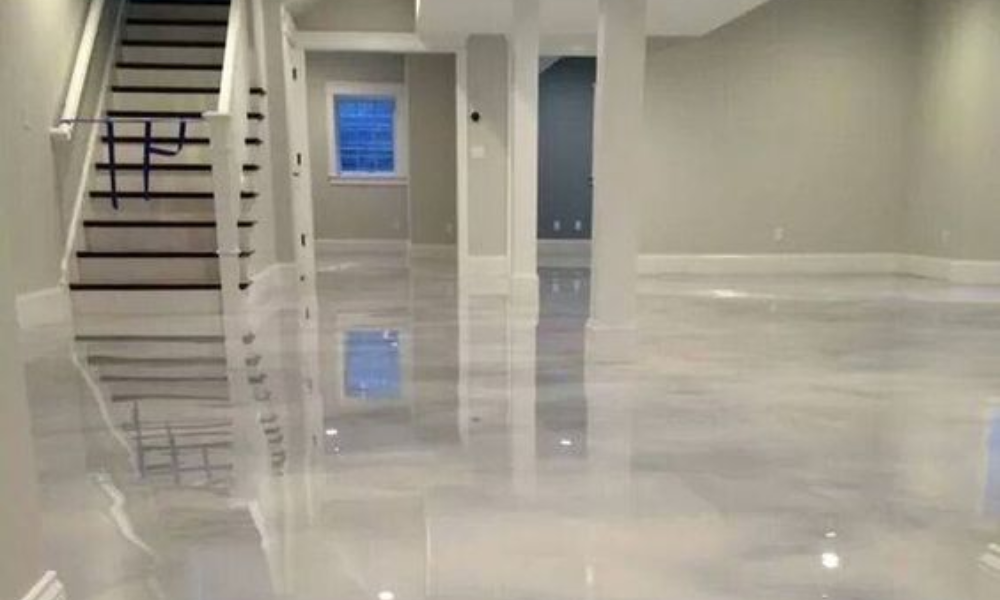
High humidity levels create unique challenges for flooring. While epoxy is famous for its durability, excess moisture in the air can make maintenance tricky. If you live in a humid climate, a solid epoxy floor maintenance routine keeps your surfaces safe, clean, and looking their best. We put together this guide to help you manage moisture and protect your investment for years to come.
Understanding Epoxy Floor Surfaces
Epoxy flooring consists of a resin and a hardener. When mixed, they create a chemical reaction that results in a rigid plastic material. This creates a continuous, non-porous surface that resists stains, chemicals, and heavy impacts. Because it lacks seams and pores, dirt and liquids sit right on top. This makes cleaning easy, but it also means moisture has nowhere to go when the air gets heavy and damp.
Common Issues in Humidity
Humid air affects how your epoxy floors behave. Understanding these issues helps you stop problems before they start.
Moisture Buildup
Condensation forms on cool epoxy floors when warm, moist air enters the room. This happens frequently in garages and basements during the summer months. The floor can look cloudy or feel wet even if nothing spilled.
Slippery Surfaces
Because epoxy is non-porous, that moisture buildup acts like a thin layer of ice. Walking on a wet epoxy floor becomes a major slip hazard, especially if the floor lacks an anti-slip topcoat.
Mold Risks
Epoxy itself does not support mold growth. However, dust, dirt, and organic matter resting on a damp floor create the perfect breeding ground for mildew and mold. Keeping the surface clean is the only way to prevent this issue.
Daily, Weekly, and Monthly Cleaning Routine
A structured cleaning schedule keeps dirt from scratching the finish and stops humidity from causing long-term trouble.
Daily: Clear the Dust
Sweep the floor every day to remove loose dirt and debris.
- Step 1: Grab a wide dust mop.
- Step 2: Walk the floor in long, overlapping strokes.
- Step 3: Shake the dust mop out outside.
Weekly: Wash and Dry
Give the floor a wet wash once a week to remove stuck-on grime and sticky spots.
- Step 1: Mix a half-cup of simple ammonia into a gallon of hot water.
- Step 2: Dip a microfiber mop into the bucket and wring it out well. You want a damp mop, not a soaking wet one.
- Step 3: Mop the floor in sections.
- Step 4: Dry the floor with a clean towel or turn on floor fans. Drying is critical in humid climates to prevent new condensation from forming.
Monthly: Deep Clean and Inspect
Take time once a month to look for early signs of wear.
- Step 1: Move heavy boxes or equipment to clean the hidden corners.
- Step 2: Wash the floor using a pH-neutral cleaner.
- Step 3: Inspect the surface for dull spots, scratches, or areas where water seems to pool.
Best Cleaning Tools & Solutions
Using the right equipment makes a huge difference. Here is what we recommend keeping in your cleaning closet:
- Microfiber dust mops: These trap dust without scratching the resin.
- Soft-bristle brooms: Perfect for sweeping up larger debris.
- Ammonia and hot water: The best homemade solution for cutting through grease without leaving a film.
- pH-neutral commercial cleaners: Look for gentle soaps designed specifically for hard floors.
- Squeegees: A heavy-duty foam squeegee pulls standing water right out the door.
What to Avoid
Some common household cleaners will ruin your epoxy finish. Keep these far away from your floors:
- Vinegar and citrus cleaners: The acids in these natural cleaners slowly eat away at the glossy epoxy finish.
- Soap-based cleaners: Traditional mop soaps leave a cloudy residue. In humid environments, this residue traps moisture and makes the floor dangerously slick.
- Abrasive pads: Never use steel wool or harsh scrubbing sponges. They will scratch the surface instantly.
- Bleach: Strong chemicals break down the chemical bonds in the epoxy, causing it to yellow and chip.
Preventive Maintenance Tips
Stop damage before it happens by controlling the environment around the floor.
- Use welcome mats: Place mats at all entry points to catch dirt and moisture before it reaches the epoxy.
- Run a dehumidifier: Pulling moisture out of the air stops condensation from forming on the floor.
- Wipe spills immediately: Do not let chemicals, oils, or even water sit on the surface for long.
- Use furniture pads: Put soft pads under the legs of heavy tables or workbenches to prevent gouging.
How to Handle Damage or Wear
Even with perfect maintenance, epoxy floors can take a beating over time.
If you notice minor scratches, do not panic. Applying a high-quality floor wax or polish can hide light scuffs and restore the shine. Simply buff it into the clean floor using a soft cloth.
For deeper gouges or minor chips, you can buy a two-part epoxy patch kit. Clean the damaged area completely, mix the patch compound, and press it into the hole using a putty knife. Smooth it out so it sits flush with the rest of the floor.
Professional Maintenance vs DIY
You can easily handle regular sweeping, mopping, and minor spot repairs yourself. DIY maintenance saves money and keeps you familiar with the condition of your floor.
However, you should call a professional if the floor starts peeling up from the concrete (delamination). You also need an expert if the entire surface loses its shine and requires a completely new clear topcoat. Professionals have the large-scale equipment needed to prep the floor and apply chemical coats safely.
FAQs
Can I use a steam mop on my epoxy floor?
No. The extreme heat from a steam mop can weaken the epoxy bond and cause the coating to peel away from the concrete beneath it.
How do I make my floor less slippery when it gets humid?
Improve ventilation by opening doors or running fans. You can also run a dehumidifier. If the floor is consistently slippery, consider having a professional apply a clear topcoat mixed with an anti-slip aggregate.
Does epoxy floor coating sweat?
The epoxy itself does not sweat. The “sweat” you see is condensation forming when warm, humid air hits the cooler surface of the concrete-backed epoxy.
Conclusion
Keeping your epoxy floors in great shape during humid weather comes down to managing moisture and sticking to a routine. By sweeping daily, mopping with the right solutions, and drying the surface thoroughly, you eliminate slip hazards and protect the finish. Treat your floors well, and they will provide a tough, beautiful surface for decades.