
Operating a business in Maui brings unique rewards and distinct challenges. Between the high humidity, salty ocean air, and heavy foot traffic from year-round tourism, commercial spaces require building materials that can endure extreme conditions. Your commercial flooring must stand up to these environmental factors while maintaining a professional appearance and adhering to strict safety standards.
What is Commercial Epoxy Flooring?
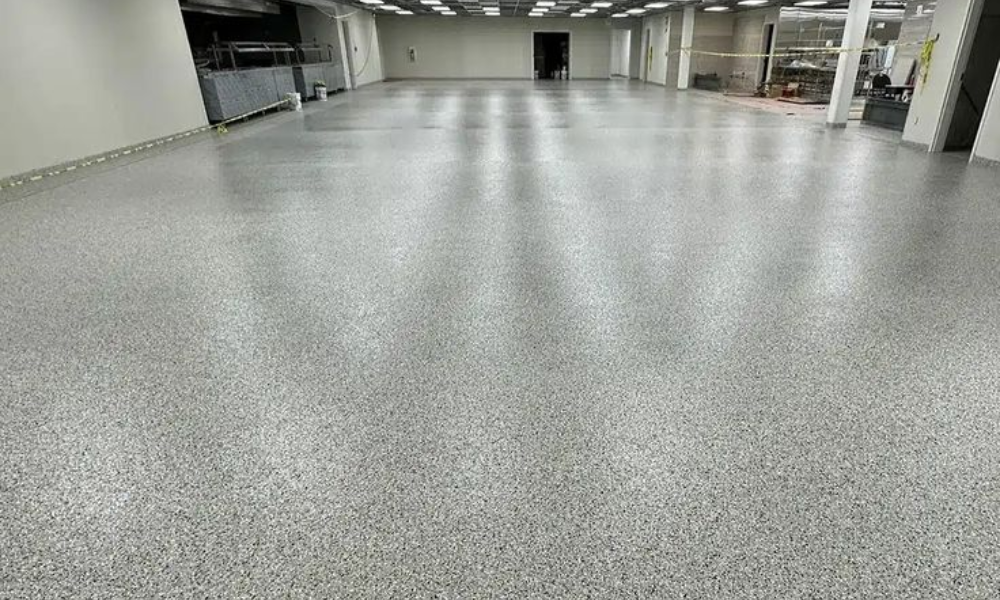
Commercial epoxy flooring is a high-performance surface created by mixing polymer resins and hardeners. When combined, these materials form a chemical bond that cures into a rigid, plastic-like material. It binds perfectly to concrete, creating a seamless, extremely durable surface. Unlike standard paint or sealants, epoxy provides a thick protective barrier that resists impacts, chemical spills, and heavy abrasion. For businesses in Maui, this seamless barrier prevents moisture intrusion—a critical factor in a high-humidity environment.
Types of Commercial Spaces
Different businesses face different daily demands. Epoxy flooring adapts to meet the specific requirements of various commercial environments across Maui:
Retail Stores
From Lahaina to Kahului, retail spaces see massive amounts of foot traffic. Retailers need flooring that looks beautiful to customers but resists scuffs, stains, and the wear of shopping carts.
Restaurants & Hospitality
Commercial kitchens, resort lobbies, and dining areas must adhere to strict health codes. Spills are frequent, and the risk of slips and falls is high. Seamless flooring prevents food particles from trapping in grout lines, ensuring sanitary conditions.
Warehouses & Industrial Units
Industrial facilities require surfaces that can handle the sheer weight of forklifts, heavy machinery, and constant pallet movement without cracking or chipping.
Healthcare Facilities
Clinics and hospitals demand sterile environments. Flooring here must support rigorous daily cleaning protocols and resist harsh chemical disinfectants without losing its structural integrity.
Best Epoxy Systems
Selecting the right epoxy system depends on your facility’s operational needs. Here are the top systems utilized in commercial spaces:
- Self-Leveling Epoxy: This system smooths out old, cracked, or uneven concrete floors. It creates an impeccably smooth surface ideal for healthcare facilities and showrooms.
- Anti-Slip Coatings: Safety is paramount. Installers add textured aggregates like quartz or aluminum oxide to the epoxy mix. This creates a slip-resistant profile essential for commercial kitchens, entryways, and outdoor walkways exposed to Maui’s frequent passing showers.
- High-Build Epoxy: Applied in thicker coats, high-build epoxy provides maximum impact resistance. It serves as the standard for heavy-duty industrial units and distribution centers.
- Decorative Epoxy: Using vinyl flakes, quartz, or metallic pigments, decorative epoxy delivers a high-end look without sacrificing durability. It works perfectly for resort lobbies, retail storefronts, and restaurants.
Benefits of Epoxy Flooring
- Durability: Epoxy withstands dropping items, heavy equipment traffic, and constant walking. It protects the underlying concrete slab from degradation.
- Hygiene: The seamless nature of epoxy leaves nowhere for mold, bacteria, or dirt to hide. This supports compliance with OSHA safety guidelines and local health department standards.
- Cost-Effectiveness: Because it installs directly over existing concrete and lasts for decades, epoxy offers an excellent return on investment compared to replacing tile or carpet frequently.
Industry-Specific Recommendations
To maximize your investment, match the epoxy system to your specific environmental exposure and traffic levels:
- For Restaurants: We recommend a urethane cement base with an anti-slip epoxy topcoat. This combination handles extreme temperature changes from ovens and walk-in freezers while maintaining a safe walking surface for staff.
- For Retail & Tourism Hubs: A decorative flake or metallic epoxy system works best. It handles high foot traffic and hides dust or sand tracked in from the beach.
- For Industrial Warehouses: Choose a high-build solid color epoxy with safety line striping. This ensures compliance with OSHA designated walkway standards while resisting forklift tire marks.
- For Medical Spaces: Opt for a self-leveling epoxy with an antimicrobial topcoat to maintain the highest levels of sanitation.
Installation & Downtime Considerations
Proper installation dictates the success of an epoxy floor. The process involves diamond grinding or shot blasting the concrete to create a porous surface for the epoxy to grip. Skipping this step leads to peeling and failure.
We understand that downtime costs your business money. Modern fast-curing polyaspartic and epoxy formulations allow installers to complete projects over a weekend or during off-hours. A standard commercial installation takes two to four days, depending on the square footage and required concrete repairs.
Maintenance & Longevity
Epoxy floors are remarkably easy to maintain. Regular sweeping removes abrasive dirt and sand. For deep cleaning, use a simple mechanical scrubber or a mop with hot water and a neutral cleaner. Avoid highly acidic cleaners, as they can dull the glossy finish over time. With basic maintenance, a commercial epoxy floor in a high-traffic Maui business easily lasts 10 to 20 years.
FAQs
Can epoxy flooring withstand Maui’s humidity?
Yes. Once properly cured, epoxy forms an impermeable barrier that blocks moisture. Professional installers test the concrete slab for vapor emissions before application to ensure the coating will not blister.
Is epoxy flooring slippery when wet?
Standard epoxy can be slick when wet. However, installers mitigate this entirely by broadcasting slip-resistant aggregates into the topcoat during installation, ensuring safety even during heavy rain.
How long does it take for the floor to cure?
Light foot traffic can usually resume within 24 hours. Full chemical cure, which allows for heavy machinery and forklift traffic, typically takes 72 hours.
Conclusion
Choosing the right flooring for your Maui business requires balancing aesthetics, durability, and safety compliance. Commercial epoxy flooring delivers on all fronts. Whether you manage a busy resort kitchen, a sprawling retail store, or an industrial warehouse, epoxy provides a resilient, hygienic, and cost-effective surface. By partnering with experienced professionals who understand the specific demands of island environments, you secure a flooring solution that protects your space and your bottom line for years to come.