
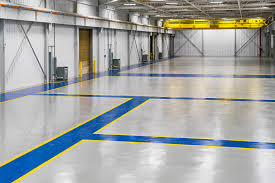
The floor of a warehouse or commercial facility is more than just a surface to walk on; it’s a critical component of your daily operations. It endures relentless forklift traffic, heavy loads, chemical spills, and constant abrasion. Standard concrete floors often fail under this pressure, leading to cracks, dust, and safety hazards that disrupt workflow and increase maintenance costs. This is where a specialized solution becomes essential. High-performance industrial epoxy flooring for warehouses provides a durable, safe, and resilient surface engineered to withstand the toughest commercial environments.
This guide will walk you through everything you need to know about choosing the right epoxy system. We’ll explore the top options, compare their performance characteristics, and discuss key factors like cost, installation, and maintenance to help you make an informed investment in your facility’s foundation.
Why Warehouses Need Industrial-Grade Epoxy Flooring
Untreated concrete floors in a high-traffic industrial setting are a liability. They generate dust, absorb spills, and break down over time. A professional warehouse epoxy flooring system transforms this vulnerable surface into a high-performance asset. Here’s why it’s a necessity for modern warehouses.
- Heavy Machinery Traffic: Forklifts, pallet jacks, and other heavy equipment can weigh several tons. This constant movement exerts immense pressure on floors, causing abrasion and wear. Heavy-duty epoxy flooring is formulated to resist this punishment, preventing surface degradation and maintaining a smooth operational surface.
- Impact Resistance: Dropped tools, pallets, and heavy inventory can chip or crack standard concrete. Epoxy mortar systems, in particular, offer superior impact resistance, absorbing shocks that would otherwise cause significant damage.
- Chemical Resistance: Warehouses often handle a variety of chemicals, oils, and cleaning agents. An unsealed floor can absorb these substances, leading to staining, corrosion, and potential environmental contamination. A commercial epoxy floor coating creates an impermeable barrier that protects the concrete substrate from chemical attack.
- Safety and Compliance: Slips, trips, and falls are a major concern in any industrial workplace. Epoxy floors can be customized with aggregates to create a textured, slip-resistant surface, helping you meet OSHA requirements and improve overall worker safety. The bright, reflective surface of an epoxy floor also improves visibility, making the workspace safer.
- Easy Maintenance: Concrete dust is a persistent problem in many facilities, settling on inventory and posing a risk to sensitive equipment and employee health. Because epoxy flooring is seamless and non-porous, it creates a dust-free environment that is incredibly easy to clean. Spills wipe up without a trace, and routine maintenance simply involves sweeping and mopping.
Top Industrial Epoxy Flooring Options for Warehouses
Not all epoxy is created equal. The right choice depends on your specific operational needs. Here are the top industrial warehouse flooring solutions for heavy-duty environments.
1. Self-Leveling Epoxy Flooring
Self-leveling epoxy is applied over new or old concrete to create a perfectly smooth, seamless, and durable surface. As its name suggests, it levels itself out during application, filling in minor cracks and imperfections in the substrate.
- Best Use Case: Manufacturing facilities, distribution centers, showrooms, and areas where a clean, smooth, and easily cleanable floor is paramount.
- Benefits: Creates a seamless, hygienic surface. Excellent durability and abrasion resistance. Available in a wide range of colors for custom designs or safety zoning.
- Limitations: Not the thickest or most impact-resistant option compared to mortar systems. Requires significant surface preparation for proper adhesion.
- Estimated Lifespan: 10–20 years with proper maintenance.
2. Epoxy Mortar Flooring
Considered the most durable of all epoxy systems, epoxy mortar flooring is composed of 100% solids epoxy and graded sand or quartz. This mixture is troweled onto the floor, creating an exceptionally strong, impact-resistant surface.
- Best Use Case: Heavy manufacturing plants, mechanical rooms, loading docks, and areas subjected to extreme loads and severe impact. Ideal for repairing heavily damaged concrete.
- Benefits: Unmatched impact and chemical resistance. Extremely high compressive strength. Can withstand constant heavy forklift traffic and dropped equipment.
- Limitations: Higher installation cost due to its thickness and labor-intensive application. The textured finish may be more difficult to clean than a self-leveling system.
- Estimated Lifespan: 20+ years.
3. Quartz-Filled Epoxy Systems
This flooring system combines the durability of an epoxy polymer resin with the strength and decorative qualities of quartz sand. It is a multi-layer application that results in a seamless, slip-resistant, and aesthetically pleasing floor.
- Best Use Case: Restrooms, locker rooms, commercial kitchens, laboratories, and any area requiring a durable, decorative, and highly slip-resistant floor.
- Benefits: Excellent slip resistance and durability. Highly resistant to stains and chemicals. The decorative quartz granules offer a more attractive finish than standard industrial coatings.
- Limitations: More expensive than basic high-build coatings due to the multi-step process and material costs.
- Estimated Lifespan: 15–20 years.
4. Anti-Static (ESD) Epoxy Flooring
In environments where sensitive electronic components are handled or manufactured, static electricity can cause catastrophic damage. Anti-static or Electrostatic Dissipative (ESD) flooring contains a conductive material that safely dissipates static charges to a grounding point.
- Best Use Case: Electronics manufacturing facilities, data centers, clean rooms, healthcare facilities, and any environment where static control is critical.
- Benefits: Protects sensitive electronic equipment from damage. Enhances safety in potentially flammable or explosive environments. Creates a seamless, easy-to-clean surface.
- Limitations: Specialized and more costly than other systems. Requires a specific installation process with copper grounding strips to function correctly.
- Estimated Lifespan: 10–15 years.
5. High-Build Epoxy Coatings
A high-build epoxy coating is a two-component system that is applied in one or two coats over a prepared concrete surface. It provides a thick, protective layer (typically 12–20 mils) that is significantly more durable than a simple paint or sealer.
- Best Use Case: Light manufacturing areas, storage rooms, warehouses with primarily foot or light cart traffic, and projects with a tighter budget.
- Benefits: Cost-effective solution for protecting concrete. Good chemical and abrasion resistance for light-to-moderate use. Improves aesthetics and makes floors easier to clean.
- Limitations: Offers less impact resistance and a shorter lifespan than thicker mortar or self-leveling systems. Not suitable for heavy-duty forklift traffic.
- Estimated Lifespan: 5–10 years.
Key Benefits of Industrial Epoxy Flooring for Warehouses
Investing in a high-quality industrial epoxy flooring for warehouses offers significant returns through improved efficiency, safety, and longevity.
- Seamless & Dust-Free Surface: Eliminates joints and seams where dirt and bacteria can accumulate, creating a hygienic and easy-to-clean environment free from concrete dust.
- High Load-Bearing Capacity: Engineered to withstand the immense static and dynamic loads of heavy machinery and high-piled inventory without cracking or failing.
- Reduced Maintenance Costs: The non-porous, durable surface resists staining and simplifies cleaning, drastically reducing labor hours and the need for harsh cleaning chemicals.
- Improved Workplace Safety: Customizable slip-resistant finishes reduce the risk of falls, while the high-gloss surface can increase light reflectivity by up to 300%, brightening the workspace and improving visibility.
- Long-Term ROI: While the upfront cost is higher than concrete polishing or sealing, the extended lifespan, reduced maintenance, and avoidance of costly repairs make it a superior long-term investment.
Cost of Industrial Epoxy Flooring for Warehouses
The cost of a warehouse epoxy flooring system can range from $4 to $12+ per square foot. This variation depends on several key factors:
- Surface Preparation: The condition of the existing concrete is the single biggest factor. Extensive repairs, crack filling, and diamond grinding to create a proper surface profile will increase the cost.
- System Type and Thickness: A simple high-build coating will be the most affordable, while a heavy-duty, 1/4-inch epoxy mortar system will be at the higher end of the price spectrum.
- Installation Complexity: The size and layout of the space, as well as the need for specialized features like coving or ESD properties, will impact labor costs.
- Long-Term Value: It is crucial to view the cost not as an expense but as an investment. The long-term value of a durable, low-maintenance heavy-duty epoxy flooring system far outweighs the cost of frequently repairing or replacing a lesser flooring solution.
How to Choose the Right Industrial Epoxy System
Selecting the best epoxy flooring for manufacturing facilities and warehouses requires a careful assessment of your unique environment.
- Analyze Your Activity: What happens on your floor? Are there heavy forklifts, or just foot traffic? The type and weight of your traffic will dictate the required durability.
- Assess Chemical Exposure: Make a list of all chemicals, oils, and solvents that could come into contact with the floor. This will determine the level of chemical resistance needed.
- Consider Traffic Volume: A 24/7 operation with constant movement needs a more robust system, like epoxy mortar, than a warehouse with intermittent activity.
- Evaluate Temperature Conditions: Are there freezers, ovens, or areas with extreme temperature fluctuations? Certain epoxy formulations are designed to handle thermal shock.
- Define Your Budget: Balance your upfront budget with the long-term value. A cheaper system that fails prematurely will cost more in downtime and replacement than a properly specified system.
- Prioritize Professional Installation: The performance of an epoxy floor is directly tied to the quality of the installation. Always work with an experienced contractor who specializes in industrial epoxy flooring for warehouses. They will ensure proper surface preparation and application, which is critical for long-term success.
Maintenance Tips for Long-Lasting Performance
To maximize the lifespan of your commercial epoxy floor coating, follow a simple maintenance routine:
- Daily: Sweep or use a dust mop to remove loose dirt and debris that can act like sandpaper under traffic.
- Weekly: Mop the floor using a pH-neutral cleaner and water. Avoid soap-based cleaners that can leave a hazy film.
- As Needed: Clean up spills immediately to prevent any potential for staining or safety hazards.
- Avoid: Do not use harsh chemicals like acid-based cleaners or abrasive steel wool pads.
- Protect: Use protective pads under stationary equipment and inspect forklift wheels for embedded debris that could gouge the floor.
- Recoat: Depending on traffic, a sacrificial urethane topcoat may need to be reapplied every 5-7 years to refresh the finish and maintain its protective qualities.
Conclusion
Choosing the right flooring is a foundational decision for the safety, efficiency, and longevity of any industrial facility. From ultra-durable epoxy mortar systems designed for the heaviest loads to specialized ESD floors for sensitive electronics, there is an epoxy solution for every need. By investing in the right industrial epoxy flooring for warehouses, you create a safer, cleaner, and more productive environment that will stand the test of time.
Ready to find the perfect flooring solution for your facility? Contact a professional flooring consultant to assess your space and recommend a system tailored to your unique operational demands.
Frequently Asked Questions (FAQ)
How long does industrial epoxy flooring last?
With proper installation and maintenance, a high-quality industrial epoxy flooring system can last 15-20 years or more. Thicker systems like epoxy mortar can last even longer, while thinner high-build coatings may have a lifespan of 5-10 years in heavy-use areas.
Is epoxy flooring slippery for a warehouse?
Epoxy flooring can be tailored to meet specific safety requirements. While a high-gloss finish can be slippery when wet, aggregates like quartz sand or aluminum oxide can be broadcast into the topcoat to create a textured, highly slip-resistant surface that meets OSHA standards.
How long does it take to install an epoxy floor in a warehouse?
Installation time depends on the size of the area, the condition of the concrete, and the specific system being installed. A typical installation can take 3-7 days, which includes time for surface preparation, application of multiple coats, and curing. Most systems require 24 hours of cure time before foot traffic and 72 hours before heavy traffic.
Can you install epoxy over an old, damaged concrete floor?
Yes, one of the major benefits of epoxy flooring, especially epoxy mortar, is its ability to repair and resurface old, damaged concrete. The process involves repairing cracks and spalls before applying the epoxy system, which creates a brand new, durable surface over the old substrate.
5. Is industrial epoxy flooring resistant to forklift traffic?
Absolutely. Heavy-duty epoxy flooring systems, particularly epoxy mortar and thick self-leveling systems, are specifically designed to withstand the weight, abrasion, and impact of constant forklift and heavy machinery traffic. They provide a much more durable surface than untreated concrete.