
Living in Maui offers incredible ocean views and year-round sunshine, but our island environment is notoriously tough on building materials. Intense UV exposure, high humidity, and constant salt air quickly degrade standard flooring. If you want a floor that withstands these coastal challenges while looking fantastic, epoxy flooring offers a top-tier solution.
However, not all epoxy systems are built the same. Property owners frequently ask us to explain the differences between residential vs commercial epoxy flooring in Maui. Choosing the wrong system can lead to peeling, yellowing, or early failure.
In this guide, we break down exactly how residential and commercial epoxy systems differ, what works best for the Hawaii climate, and how to choose the right floor for your specific needs.
Understanding Epoxy Flooring in Maui
At its core, epoxy flooring is a two-part mixture consisting of a resin and a hardener. When mixed, these components undergo a chemical reaction that creates a rigid plastic material. Installers apply this liquid mixture over a properly prepared concrete substrate, where it cures into a seamless, highly durable surface.
Why is epoxy flooring in Maui so popular? Island properties face unique environmental stress. Traditional floors like wood warp from humidity, while standard concrete pits and stains easily. Epoxy seals the concrete, preventing moisture intrusion from the ground up while resisting salt, spills, and sand tracked in from the beach. Whether you need a simple garage upgrade or a heavy-duty warehouse floor, epoxy provides a reliable, long-lasting barrier.
Residential Epoxy Flooring in Maui
Homeowners across the island rely on residential epoxy to protect and beautify their living spaces. Installers typically apply these systems in a few standard layers, achieving a thickness of about 10 to 20 mils.
Where it is used:
- Home garages (e.g., a two-car garage in Kihei)
- Covered patios and lanais
- Basements and utility rooms
- Interior living spaces seeking a modern, seamless look
Residential Epoxy Flooring Benefits:
- Aesthetic Appeal: Available in solid colors, metallic finishes, and vinyl flake broadcasting to match your home’s decor.
- Affordability: Thinner coatings and faster installation times keep material and labor costs manageable.
- Easy Maintenance: A quick sweep and mop easily remove dust, beach sand, and vehicle tire marks.
Limitations:
Residential systems are highly durable for daily home life, but they cannot handle heavy machinery, constant forklift traffic, or highly corrosive chemicals. Without a proper UV-resistant topcoat, they may also amber (yellow) if exposed to direct sunlight over long periods.
Real-Life Scenario: A homeowner in Lahaina wants to turn their dusty garage into a clean home gym and storage space. A standard residential flake epoxy system provides the perfect blend of slip resistance, easy cleaning, and visual appeal without breaking the budget.
Commercial Epoxy Flooring in Maui
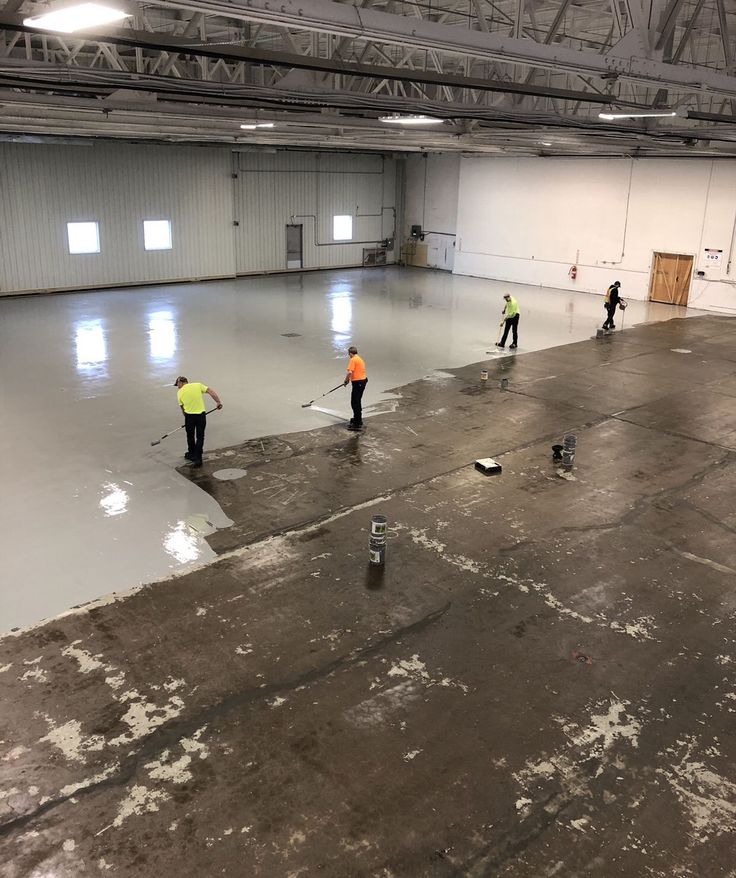
Commercial-grade epoxy is engineered for maximum abuse. These systems feature higher solid content, thicker application rates (ranging from 30 to over 100 mils), and multiple specialized layers, including moisture vapor barriers and chemical-resistant topcoats.
Where it is used:
- Resort kitchens and hotel lobbies
- Warehouses and distribution centers in Kahului
- Retail stores and showrooms
- Auto repair shops and airplane hangars
Commercial Epoxy Flooring Durability and Benefits:
- Heavy-Duty Durability: Resists gouging from dropped tools, pallet jacks, and heavy foot traffic.
- Chemical Resistance: Impervious to harsh cleaning agents, engine oils, and commercial food acids.
- Traffic Load Capacity: Designed to absorb the impact and weight of constant vehicle or machinery movement.
Limitations:
The primary drawback of commercial epoxy is the cost and installation time. These systems require extensive concrete profiling (usually via heavy shot blasting or diamond grinding) and multiple days to apply the various primers, build coats, and protective topcoats.
Real-Life Scenario: A busy retail store near the coast needs a floor that can handle hundreds of sandy shoes daily, occasional spills, and the movement of heavy display racks. A commercial-grade metallic epoxy floor with a polyaspartic topcoat delivers the necessary scratch resistance while providing a stunning, high-end look for shoppers.
Key Differences Between Residential and Commercial Epoxy Flooring
To make the best epoxy floor comparison residential vs commercial, let’s look at how they stack up across several crucial categories.
| Feature | Residential Epoxy | Commercial Epoxy |
| Durability Levels | High for foot traffic and standard vehicles. | Extreme for forklifts, heavy machinery, and heavy impact. |
| Coating Thickness | 10–20 mils (standard). | 30–100+ mils (thick, multi-layer buildup). |
| Cost | More affordable; lower material and labor requirements. | Higher initial investment due to prep work and multi-layer application. |
| Installation Process | 1-2 days. Uses light grinding or acid etching. | 3-5 days. Requires aggressive diamond grinding or shot blasting. |
| Lifespan | 10 to 15 years with proper care. | 15 to 20+ years under heavy daily abuse. |
| Maintenance Needs | Simple sweeping and occasional damp mopping. | Industrial floor scrubbers and specialized degreasers depending on the facility. |
What Works Best for Maui’s Climate?
Finding the best epoxy flooring for Hawaii climate challenges requires a deep understanding of local environmental factors.
The Impact of Humidity and Salt Air:
Maui’s high humidity levels can trap moisture in concrete slabs. If an installer applies standard epoxy without testing for Moisture Vapor Transmission (MVT), the hydrostatic pressure will eventually cause the epoxy to blister and peel. Coastal epoxy flooring solutions must include a high-quality, moisture-mitigating primer to lock that moisture in the slab. Furthermore, the salt air in coastal towns accelerates the deterioration of bare concrete. Both residential and commercial epoxy systems effectively seal concrete away from corrosive salt, but commercial systems offer a thicker barrier for areas right on the water.
The Impact of UV Exposure:
The tropical sun is intense. Traditional epoxies are notoriously sensitive to UV rays, which cause the resin to turn yellow and chalky over time. For any outdoor lanai, open-door garage, or naturally lit commercial space in Maui, you must use a UV-stable topcoat. Polyaspartic or aliphatic urethane topcoats are mandatory for optimal performance in these sun-drenched environments.
Ultimately, the system that performs best in coastal environments is one tailored to the specific moisture and UV levels of the property, prioritizing proper concrete preparation over the brand of the resin.
Expert Recommendation
Choosing between residential and commercial epoxy comes down to how you plan to use the space and your budget.
When to Choose Residential Epoxy:
Opt for a residential system if you are upgrading a private home garage, basement, or interior room. If your main goals are stopping concrete dust, making the floor easy to clean, and boosting the visual appeal of your property, residential epoxy offers an excellent return on investment.
When to Choose Commercial-Grade Epoxy:
You need a commercial system if your floor generates revenue or supports heavy industry. Warehouses, commercial kitchens, mechanic shops, and high-traffic retail stores demand the thick build, impact resistance, and chemical protection that only a commercial-grade system provides. Do not cut corners here; a failed floor in a business disrupts operations and costs twice as much to replace.
Hybrid Solutions:
Many Maui properties benefit from a hybrid approach. For example, a high-end luxury garage housing heavy custom vehicles might utilize a commercial-grade moisture primer and build coat for maximum strength, finished with a residential-style decorative flake and a UV-stable polyaspartic clear coat. This provides commercial strength with residential beauty.
Conclusion
Understanding the difference between residential vs commercial epoxy flooring in Maui saves you time, money, and frustration. Residential systems offer stunning, cost-effective protection for homes and standard garages, while commercial systems deliver the thick, heavy-duty durability required for industrial and retail spaces. Regardless of the system you choose, success in Maui’s humid, sunny, and salty climate relies entirely on professional concrete preparation and the use of UV-stable topcoats.
Do not leave your concrete floors exposed to the harsh island elements. Consult with experienced local flooring professionals who understand coastal epoxy flooring solutions to find the perfect system for your Maui property.