
Slips, trips, and falls are among the most common causes of injuries at home and in the workplace. While we often focus on clutter or obstacles, the floor surface itself plays a critical role in preventing these accidents. A slick, wet, or uneven floor can create a significant hazard. This is where non-slip epoxy flooring emerges as a superior solution, offering a durable, attractive, and, most importantly, safe foundation for any space. Whether for a busy family home or a high-traffic industrial facility, prioritizing safety with the right flooring is a smart investment.
This article will explore the comprehensive benefits of non-slip epoxy flooring. We will cover its advantages for both residential and commercial settings, explain how the technology works, and provide an overview of the installation and maintenance processes. By understanding what makes this slip-resistant floor coating a leading choice, you can make an informed decision to enhance the safety and functionality of your environment.
Benefits of Non-Slip Epoxy Flooring for Homes
While often associated with industrial settings, non-slip epoxy floors for homes offer a wealth of benefits that modern homeowners are quickly embracing. From kitchens and bathrooms to garages and patios, this flooring solution combines practicality with style.
Enhanced Safety for Your Family
The primary benefit of installing safety epoxy flooring in your home is the significant reduction in slip-and-fall accidents. Areas prone to moisture, such as kitchens, bathrooms, laundry rooms, and pool decks, become much safer for children, elderly family members, and everyone in between. The textured surface provides superior grip even when wet, offering peace of mind during daily activities.
Unmatched Durability and Longevity
Residential floors endure a lot, from foot traffic and pet claws to spills and dropped objects. Epoxy flooring is renowned for its resilience. It creates a hard, seamless surface that resists abrasions, impacts, and stains from oil, chemicals, and household cleaners. This durability means your floor will maintain its integrity and appearance for many years, outlasting traditional options like vinyl, tile, or laminate.
Aesthetically Pleasing and Customizable
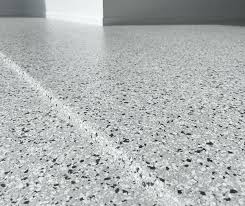
Safety doesn’t mean you have to compromise on style. Non-slip epoxy flooring is available in a vast array of colors, patterns, and finishes. You can choose from solid colors, decorative flake systems that mimic the look of granite, or stunning metallic finishes that create a unique, three-dimensional effect. This versatility allows you to create a custom floor that perfectly complements your home’s interior design.
Low Maintenance and Hygienic
Because epoxy creates a non-porous surface, it doesn’t harbor bacteria, mold, or mildew. This makes it an incredibly hygienic option for kitchens and bathrooms. Cleaning is also remarkably simple; regular sweeping and occasional mopping with a mild detergent are all that’s needed to keep the floor looking pristine. There are no grout lines to scrub or trap dirt, simplifying your cleaning routine.
Benefits for Industrial and Commercial Spaces
In industrial and commercial environments, floor safety is not just a preference—it’s a requirement. Non-slip industrial epoxy flooring is a cornerstone of a safe and efficient workplace.
Compliance with Safety Regulations
Many industries are subject to strict safety standards, such as those set by the Occupational Safety and Health Administration (OSHA). Installing a certified slip-resistant floor coating helps businesses comply with these regulations, reducing the risk of workplace injuries and avoiding potential fines and legal liabilities. This proactive approach to safety demonstrates a company’s commitment to its employees’ well-being.
Increased Productivity
A safe work environment is a productive one. When employees are confident in their footing, they can move more efficiently and with less hesitation, especially in areas where spills are common, like manufacturing plants, commercial kitchens, or automotive service bays. The durability of industrial epoxy flooring also means less downtime for floor repairs, keeping operations running smoothly.
Resistance to Chemicals and Heavy Loads
Industrial settings often involve harsh chemicals, heavy machinery, and constant forklift traffic. Industrial epoxy flooring is specifically formulated to withstand these demanding conditions. It resists corrosion from acids, solvents, and oils, and it has a high compressive strength that can support heavy loads without cracking or deteriorating.
Improved Visibility and Workflow
Epoxy flooring can be used to improve workflow and organization. Different colors can be used to designate specific work zones, safety pathways, or hazardous areas. This practice, known as line striping or zoning, enhances directional cues and improves overall facility safety and efficiency.
How Non-Slip Epoxy Flooring Works
The effectiveness of non-slip epoxy flooring lies in its composition and application. It isn’t just a single layer of paint; it’s a multi-layer system that chemically bonds with the concrete substrate to create a tough, textured finish.
The system begins with a two-part epoxy resin, consisting of a resin and a hardener. When mixed, these components undergo a chemical reaction that causes them to cure into a hard, durable plastic. To achieve a non-slip finish, specific aggregates are incorporated into the coating.
Common materials used to create the slip-resistant texture include:
- Quartz: Fine quartz sand is broadcasted over a wet epoxy coat and then sealed with a topcoat. This creates a highly durable and consistent texture.
- Aluminum Oxide: This extremely hard aggregate provides excellent abrasion resistance and slip resistance, making it ideal for very high-traffic areas.
- Polypropylene Spheres: These lightweight plastic beads can be mixed directly into the topcoat to create a less aggressive, more comfortable texture suitable for barefoot areas like locker rooms or residential patios.
The amount and size of the aggregate can be adjusted to achieve the desired level of slip resistance, from a fine, subtle texture to a more aggressive profile for industrial settings.
Installation Process Overview
Achieving a flawless and durable non-slip epoxy floor requires a meticulous, multi-step process. While specifics may vary, a professional installation generally follows these key stages:
- Surface Preparation: This is the most critical step. The concrete substrate must be thoroughly cleaned, degreased, and profiled. Professionals use diamond grinders or shot blasters to remove any existing coatings and create a porous surface that the epoxy can bond to effectively. Any cracks or pits are also repaired at this stage.
- Primer Application: A primer coat is applied to the prepared concrete. This coat seeps into the pores of the concrete, sealing the surface and creating a strong bond for the subsequent layers.
- Base Coat Application: The primary epoxy color coat, or base coat, is applied. This layer provides the main color and builds the thickness of the flooring system.
- Aggregate Broadcasting: While the base coat is still wet, the non-slip aggregate (e.g., quartz sand) is broadcasted evenly across the surface. This can be a “full broadcast,” where the aggregate completely covers the base coat, or a “partial broadcast” for a less textured finish.
- Topcoat Application: After the base coat has cured and any excess aggregate has been removed, one or more topcoats are applied. This final layer seals the aggregate, provides chemical and UV resistance, and determines the final sheen (gloss, satin, or matte).
Maintenance Tips
One of the most appealing aspects of non-slip epoxy flooring is its ease of maintenance. Following these simple tips will ensure your floor remains safe and beautiful for years to come.
- Regular Sweeping: Use a soft-bristle broom or a dust mop daily or weekly to remove loose dirt and grit that can be abrasive to the surface.
- Routine Mopping: Clean up spills promptly. For general cleaning, mop the floor with a pH-neutral cleaner and clean water. Avoid using acidic cleaners, vinegar, or soap-based detergents, which can dull the finish and create a slippery film.
- Avoid Abrasive Tools: Do not use steel wool or harsh scrubbing pads, as they can scratch the topcoat.
- Use Protective Mats: Place walk-off mats at entrances to trap dirt and moisture. Use pads under heavy furniture or equipment to prevent scratches.
Why Choose Professional Installation Services
While DIY epoxy kits are available, professional installation is highly recommended for achieving a durable and effective non-slip epoxy floor. Professionals have the industrial-grade equipment, high-quality materials, and expertise necessary to get the job done right.
Key advantages of hiring a professional include:
- Proper Surface Preparation: Professionals use diamond grinders, which are essential for creating the ideal surface profile for epoxy adhesion—something that is not feasible with DIY methods.
- High-Quality Materials: Professional-grade epoxy systems are far superior to the water-based products found in big-box stores, offering better durability, chemical resistance, and longevity.
- Expertise and Efficiency: Experienced installers understand the nuances of application, including proper mixing ratios, curing times, and environmental conditions, ensuring a flawless finish without costly mistakes.
- Warranty: Reputable installation companies stand by their work and offer a warranty, giving you peace of mind that your investment is protected.
Conclusion: Invest in Safety and Style
Non-slip epoxy flooring offers an unbeatable combination of safety, durability, and aesthetic versatility for both homes and industries. By providing a reliable, slip-resistant surface, it helps prevent dangerous accidents in kitchens, garages, manufacturing facilities, and beyond. Its resilience against wear, chemicals, and stains ensures a long-lasting, low-maintenance solution that protects your investment and the people who walk on it.
If you are ready to enhance the safety and appearance of your space, it’s time to consider a professional-grade slip-resistant floor coating. Contact a reputable epoxy flooring specialist today to discuss your project and get a quote for a safer, more durable, and beautiful floor.
FAQs Related to Non-Slip Epoxy Flooring
How much does non-slip epoxy flooring cost?
The cost varies based on the size of the area, the condition of the existing concrete, the type of system chosen, and the complexity of the design. However, it is a cost-effective solution due to its long lifespan and low maintenance needs.
How long does an epoxy floor last?
When professionally installed and properly maintained, a residential epoxy floor can last 10-20 years or more. In industrial settings, the lifespan can be 5-10 years, depending on the level of traffic and abuse.
Can non-slip epoxy flooring be installed over tiles?
Yes, it is possible to install epoxy over tiles, but it requires extensive preparation to ensure proper adhesion. The tiles must be in good condition, thoroughly cleaned, and profiled to create a bondable surface.
Is the textured surface difficult to clean?
No. While textured, the surface is still non-porous and sealed, which prevents dirt from becoming trapped. Regular mopping with a pH-neutral cleaner is sufficient to keep it clean.