

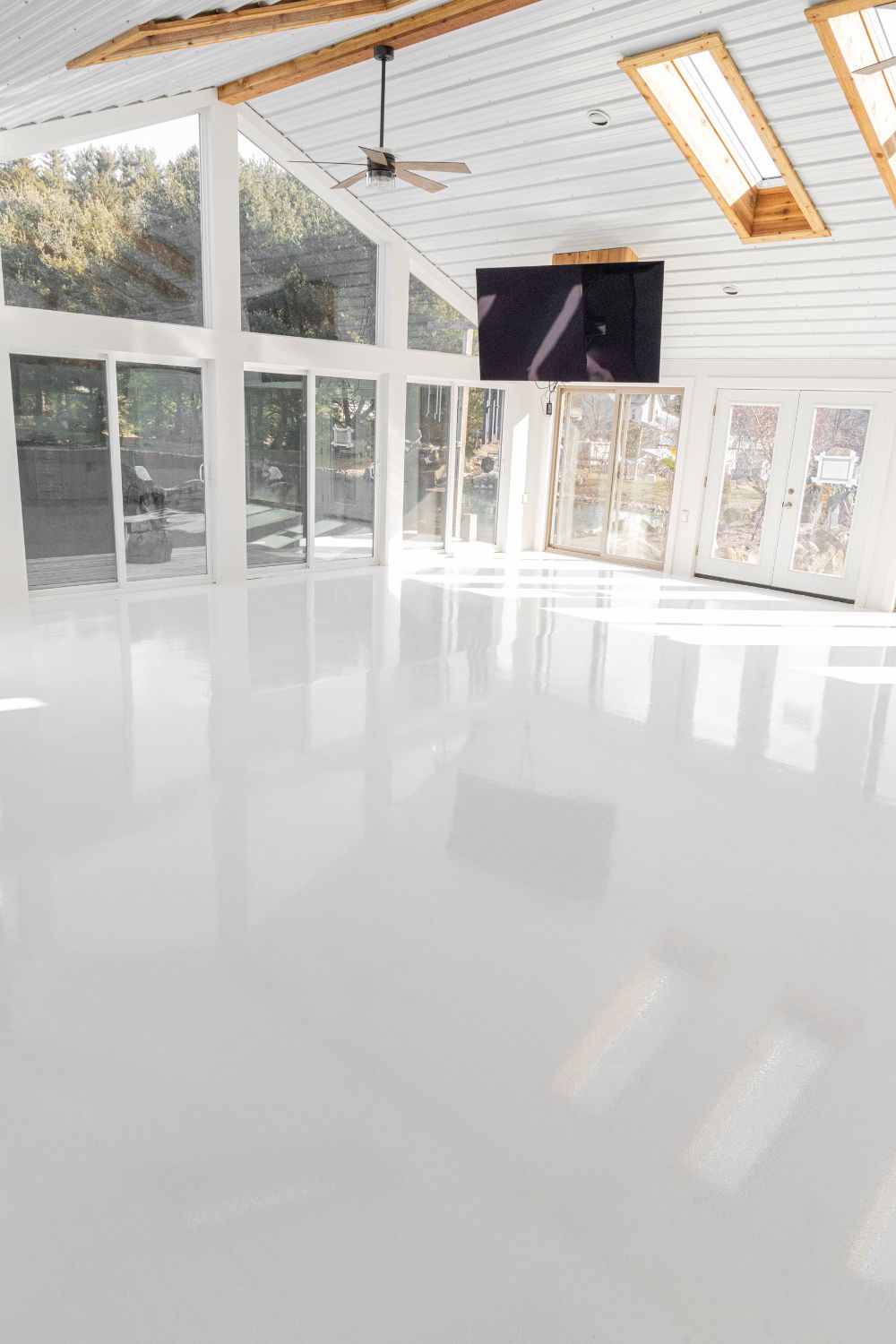
Living in Maui offers incredible weather and stunning ocean views. But the same environment that makes the island beautiful also introduces unique challenges for your property. High humidity, constant salt air, intense ultraviolet exposure, and trade winds carrying abrasive beach sand can all take a toll on your flooring.
Epoxy flooring is a popular choice for Hawaiian homes, resort lobbies, and commercial garages because of its impressive durability and seamless finish. However, while epoxy is incredibly tough, it is not entirely maintenance-free. Proper epoxy floor maintenance in Maui requires an approach tailored to these specific tropical conditions.
This guide will show you exactly how to protect your investment. You will learn expert cleaning techniques, discover how to prevent epoxy floor damage from humidity, and get practical advice to keep your floors looking new for decades.
Why Epoxy Floors Need Special Care in Maui
Island environments demand more from building materials than inland areas do. Understanding exactly what you are up against helps you implement better tropical climate flooring care.
Effects of Moisture and Salt Air
Coastal trade winds carry a fine mist of ocean saltwater. When this salty moisture settles on an epoxy floor, it evaporates and leaves behind a microscopic layer of salt crystals. Over time, these crystals can dull the glossy finish and create a stubborn, cloudy film that regular water cannot easily wash away.
Sand Abrasion from Coastal Living
Whether you track it in on your slippers from Kamaole Beach or the wind blows it directly into your garage, sand acts like sandpaper. If you walk over a sand-covered epoxy floor, the grinding action creates micro-scratches. These scratches dull the floor’s shine and create tiny pockets where dirt can accumulate.
UV Exposure Impact on Surface Gloss
Maui’s intense tropical sun easily penetrates large windows, open garage doors, and commercial entryways. Prolonged exposure to raw UV rays can cause standard epoxy resins to yellow, chalk, or fade. Special care and specific topcoats are required to prevent this degradation.
Daily and Weekly Cleaning Routine
Establishing a consistent cleaning schedule is the most effective way to protect your floors. Follow these epoxy floor maintenance tips to maintain that pristine, seamless look.
Sweeping and Dust Control
Your first line of defense is removing abrasive dirt and sand. Use a wide, soft-bristled dust mop or a push broom daily. A microfiber dust mop works perfectly because it traps fine volcanic dust and sand without scratching the surface.
Gentle Mopping Techniques
For weekly cleaning, wet mopping removes the sticky residue left by humidity and salt. Use a standard microfiber mop or a sponge mop. Avoid string mops, as they tend to push dirty water around and leave streaks on the smooth epoxy surface.
Best Cleaning Solutions for Epoxy Floors
When considering how to clean epoxy floors in humid climates, simplicity is key. Use a mixture of half a cup of simple ammonia diluted in a gallon of hot water. This solution cuts through sticky tropical humidity buildup without leaving a soapy film. Alternatively, you can use a pH-neutral commercial floor cleaner specifically formulated for sealed floors.
What Chemicals to Avoid
Never use soap-based cleaners. Soaps leave a hazy residue that becomes incredibly slippery and sticky in humid weather. You should also avoid citrus cleaners and vinegar. The acids in these products slowly break down the epoxy’s glossy surface over time.
Deep Cleaning for Epoxy Floors
Even with diligent weekly cleaning, coastal epoxy floor cleaning guides recommend a deeper scrub every month to tackle stubborn residues.
Monthly Maintenance Steps
Once a month, clear the floor of all movable items. Sweep thoroughly, then mop with a slightly stronger dilution of your pH-neutral cleaner. Use a soft-bristled scrubbing brush on a pole to gently agitate any areas where tire marks or heavy foot traffic have left marks.
Removing Stains, Oil, and Salt Residue
Garages in Maui often deal with a mix of automotive fluids and salty condensation. If you spot an oil leak, wipe it up immediately with a paper towel. For dried spills or rust stains from wet beach gear, apply a mild soft-scrub cleaner. Rub the area gently with a non-abrasive scrubbing pad, then rinse thoroughly with fresh water.
To tackle heavy salt residue, use a heavily diluted solution of warm water and a specialized salt-neutralizing wash (often used for marine and automotive detailing).
Safe Degreasers and Cleaning Tools
If your commercial space or garage needs a heavy-duty degreaser, choose an eco-friendly, non-corrosive product. Apply it only to the affected area, let it sit for five minutes, scrub lightly, and rinse completely. Never use metal scrapers or stiff wire brushes on epoxy.
Common Mistakes to Avoid
Many homeowners accidentally damage their floors by using the wrong tools or products. Avoid these common pitfalls to ensure your epoxy flooring Hawaii maintenance routine is safe and effective.
- Using Harsh Acids or Bleach: Bleach and acidic chemical cleaners will strip the protective clear coat right off your floor. This leaves the underlying color flakes or metallic pigments exposed to moisture.
- Dragging Heavy Furniture: Moving heavy toolboxes, workbenches, or patio furniture without felt pads can gouge the epoxy. Always lift heavy items or place a soft blanket under the legs before sliding them.
- Ignoring Sand and Grit Buildup: Letting sand sit on the floor for weeks is a guaranteed way to ruin the finish. The friction from shoes and car tires will permanently mar the surface.
- Using Abrasive Scrubbing Tools: Steel wool and stiff-bristled deck brushes create swirl marks. Stick to soft nylon brushes and microfiber pads.
How Maui’s Climate Impacts Epoxy Floors
Epoxy behaves differently in a tropical environment compared to a dry, temperate one. Recognizing these differences helps you spot potential issues early.
Humidity-Related Wear
High moisture levels in the air can cause standard floors to feel “tacky” or slippery. If your floor frequently sweats due to condensation, you must ensure you are not using cleaning chemicals that react poorly to moisture.
Heat Expansion and Surface Stress
Concrete naturally expands and contracts with temperature changes. While Maui enjoys relatively consistent warmth, a garage floor baked by the afternoon sun will expand. High-quality epoxy flexes slightly with the concrete, but keeping the surface clean prevents dirt from wedging into any microscopic stress points.
Coastal Corrosion Risks
Commercial kitchens in Lahaina or auto shops in Kahului face the double threat of indoor spills and outdoor salt air. Salt is highly corrosive. While epoxy is chemically resistant, leaving salty puddles to evaporate on the surface concentrates the salt, which can eventually dull the topcoat.
Professional Maintenance Tips from Experts
Sometimes, regular sweeping and mopping are not enough. Here is what professional epoxy installers recommend for long-term island care.
When to Reseal Epoxy Floors
Even the best floors lose their luster over time. In a high-traffic Maui environment, you may need to apply a fresh clear topcoat every 5 to 7 years. If water no longer beads up on the surface, or if the floor looks dull even after a deep clean, it is time for a professional reseal.
Importance of UV-Resistant Topcoats
Standard epoxy will turn yellow in the Hawaiian sun. Experts strongly recommend finishing every Maui epoxy floor with an aliphatic polyurethane or polyaspartic clear coat. These specific topcoats act like sunscreen for your floor, completely blocking UV damage and preventing discoloration.
Scheduling Professional Inspections
For commercial properties, schedule an annual inspection with a local flooring expert. They can spot early signs of delamination (where the epoxy separates from the concrete due to moisture rising from the ground) and fix small chips before they spread.
Long-Term Care Strategy
With the right strategy, your epoxy floor will easily last 10 to 20 years.
Preventive Maintenance Checklist
- Place high-quality welcome mats at all entrances to catch sand and moisture.
- Use designated parking pads or mats for golf carts and vehicles with hot tires.
- Wipe up acidic spills (like pineapple juice, wine, or battery acid) immediately.
- Keep a microfiber mop easily accessible for quick, dry sweep-ups.
Seasonal Care Tips for Tropical Environments
During Hawaii’s wetter winter months, keep an eye on moisture levels in enclosed spaces like garages. Improve ventilation by opening doors or running a fan to help dry out condensation and prevent slippery surfaces.
Conclusion
Successfully maintaining epoxy floors in Maui comes down to understanding the environment. By managing sand abrasion, cleaning with the right non-residue solutions, and protecting against intense UV rays, you keep your floors looking flawless year after year.
Remember that consistency is your best tool. A quick daily dust mop and a gentle weekly wet mop require very little effort but offer massive returns for the lifespan of your floor. If your floors are starting to look dull, or if you want to ensure you have the right UV-resistant topcoat for island living, consult with local Maui epoxy professionals. They can assess your space and provide the specialized care your tropical floors deserve.